
Two-minute guide to Oman
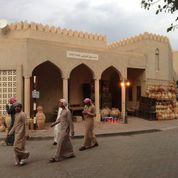
In discovering the real Oman, in getting closer to the authentic Arabia, it is our responsibility to ensure we are respecting the privilege of this connection. And to do this we have to understand the issues faced by the country, its people and its environments.
Oman is marketed as being very liberal and consequently visitors can be misled into thinking that Western norms are more prevalent than they really are. True, the country is welcoming to tourists and has a flourishing western expat community, and women’s rights here are certainly stronger here than in other Arabian countries. Female employment rate is high, there are a few women in senior levels in government and Oman was the first Arab country to give women the vote, a pioneering move in 1994.
However, progressiveness aside, there are still dress and cultural codes to which visitors should adhere, particularly in inland areas away from the bright lights of Muscat.
To avoid causing offense women should wear loose fitting clothing, covering the arms, legs, shoulders and neckline, and avoid anything too transparent. If visiting mosques then women should show respect by wearing a scarf to cover their head.
And following cultural dress etiquette will not only make for easier travels, it also opens doors. Quite literally, as respectful travellers will receive an unreserved welcome into Omani daily life.
 Causing offense can be an offense in itself, and Omanis by their very nature and culture will strive to be courteous to each other and to their visitors. Travellers should be aware of this and do what they can to respect the values and customs of the people they meet.
Being conscious of the small things can make travelling through Oman and interacting with local people much easier and much more rewarding. Showing intimacy in public is rarely done, but what many Omani’s will offer is an invitation into their homes. Sitting with an Omani family in their home, drinking coffee and sharing stories is a unique way to connect with the country. Remember to always accept and eat food with the right hand, bringing dates or honey as a small gift is also a traditional way to show gratitude for the invitation and shoes should always be removed before entering a house.
 Although travellers would be forgiven for not realising the country is mostly desert given the manicured lawns and pristine green golf courses around Muscat. Ground water is at a real premium, and with one of the world’s most rapidly growing populations it is a problem which will continue to grow.
Tourists can do their bit by supporting tourism businesses and hotels with water conservation programmes in place, as well as watching their own water use during their travels. Buying bottled water is not always the answer, as disposing of vast quantities of plastic bottles is also a concern. Of course, in such an arid climate tourists will need to drink plenty, especially as daytime temperatures soar, however our advice is to buy large bottles and refill as necessary.
Promisingly, Oman has joined the Ramsar Convention of Wetlands to help protect important habitats for birds and tourists can visit some of these wetland sites, supporting them and contributing to their protection. Of particular interest in Muscat is the Al Ansab wetland, at a water treatment site run by Haya Water. Not only does it provide key habitats for birds and other wildlife, but is also training and educating young local people to become expert guides.
Happily, one issue Oman doesn’t have in instability. Since the end of conflicts in the 1970s, Oman has been a unified, forward-thinking country under the well-respected Sultan Qaboos bin Said. It is this sense of peace, coupled with the Sultan’s focus on preserving the rich culture and heritage which makes Oman so attractive to visitors.
The tourist industry is one to replace the oil industry, and demands for it to grow are strong. As tourists we need to ensure we are supporting the growth of a responsible industry, carefully choosing hotels and activities which are respecting the environments and cultures in which they have grown, and if we can do this the authentic Arabia will continue to thrive.
For responsible holidays to Oman visit http://www.responsibletravel.com/holidays/oman
Photos by Justin Francis


Diane





















Vegas’s Billion-Dollar Secrets – What They Don’t Want Tourists to Know

Visit Florida’s New CEO Bryan Griffin Shares His Vision for State Tourism with Graham

Chicago’s Tourism Renaissance: Graham Interviews Kristin Reynolds of Choose Chicago

Graham Talks with Cassandra McCauley of MMGY NextFactor About the Latest Industry Research

Destination International’s Andreas Weissenborn: Research, Advocacy, and Destination Impact

Graham and Don Welsh Discuss the Success of Destinations International’s Annual Conference

Graham and CEO Andre Kiwitz on Ventura Travel’s UK Move and Recruitment for the Role

Brett Laiken and Graham Discuss Florida’s Tourism Momentum and Global Appeal

Graham and Elliot Ferguson on Positioning DC as a Cultural and Inclusive Global Destination

Graham Talks to Fraser Last About His England-to-Ireland Trek for Mental Health Awareness

Kathy Nelson Tells Graham About the Honour of Hosting the World Cup and Kansas City’s Future

Graham McKenzie on Sir Richie Richardson’s Dual Passion for Golf and His Homeland, Antigua







 ADS PRO
Higher departure tax and visa cost, e-arrival card: Japan unleashes the fiscal weapon against tourists
Singapore to forbid entry to undesirable travelers with new no-boarding directive
Euromonitor International unveils world’s top 100 city destinations for 2025
U.S.A. and Israel attacks on Iran impact air movements in the Gulf (Update 1.00pm CET)
Global tourism exceeds 1.5 billion travelers announces UN-Tourism