
Uzbekistan breaks ground on its National Museum in Tashkent
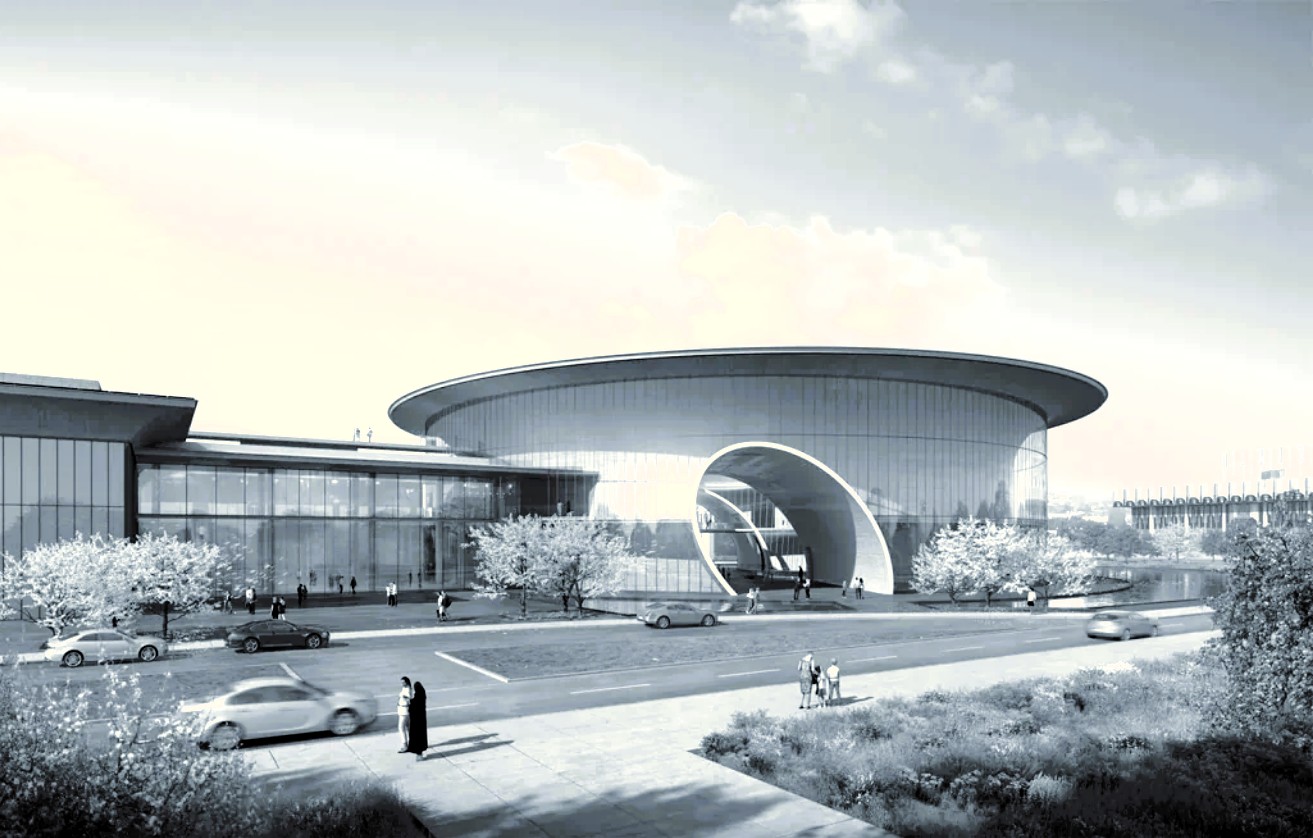
Uzbekistan has launched construction of its future National Museum. It is a landmark project designed by world-renowned Japanese architect Tadao Ando. And is likely to become a new icon for international travelers visiting Tashkent, the country’s capital.
The groundbreaking ceremony, led by Uzbekistan President Shavkat Mirziyoyev this week, marked the beginning of what is set to become one of Central Asia’s most ambitious cultural projects.
The museum, scheduled to open in March 2028, represents Ando’s first major commission in the region. Commissioned by the Uzbekistan Art and Culture Development Foundation (ACDF), the project wants to establish a world-class institution that both preserves the nation’s heritage and connects it to global cultural networks.
Built on a 40,000-square-meter site near Tashkent’s National Park, the complex will integrate a three-story museum, two underground levels, and auxiliary buildings. Inside, visitors will find exhibition halls, a library as well as various public amenities such as auditoriums, conference halls, restaurants, and playgrounds.
The museum will have capacity to showcase up to 10,000 works. It will help to bring to the public collections that currently remain locked away in storage due to limited display space in Tashkent’s existing 30 museums.
Architecturally, Ando’s pure geometric forms are intended to symbolize harmony between Eastern and Western cultures. While evoking Uzbekistan’s own architectural traditions. A central public plaza will connect the museum and library, conceived as a gathering place for cultural exchange.
“By building with these pure forms, I wanted to return to the origins of thought and create a space from which powerful ideas could be sent out into the world,” Ando said. “I hope that the Museum will serve as a new center of creative expression directed towards the world.”
At the ceremony, President Mirziyoyev emphasized the museum’s role in safeguarding heritage and fostering cultural diplomacy. “Unique works of art reflecting the culture of Central Asia, China, Japan, India, and Europe are a priceless treasure not only of our people, but of all humanity,” he said. “Preserving these values for future generations and demonstrating them to the world community is our sacred duty.”
The museum is expected to form part of a broader architectural ensemble with the Abulkasim Madrasah, the Palace of Friendship of Peoples, and the National Park, turning the area into a cultural and tourist hub. Once opened, the National Museum will become a worldwide reference for Uzbekistan’s 3000 year-old cultural legacy.
Related News Stories: Travelsphere unveils new Royal Geographical Society tours Newmarket Holidays - TravelMole Abercrombie & Kent - TravelMole Qatar Airways - TravelMole Visit Detroit - TravelMole


TravelMole Editorial Team


Vegas’s Billion-Dollar Secrets – What They Don’t Want Tourists to Know

Visit Florida’s New CEO Bryan Griffin Shares His Vision for State Tourism with Graham

Chicago’s Tourism Renaissance: Graham Interviews Kristin Reynolds of Choose Chicago

Graham Talks with Cassandra McCauley of MMGY NextFactor About the Latest Industry Research

Destination International’s Andreas Weissenborn: Research, Advocacy, and Destination Impact

Graham and Don Welsh Discuss the Success of Destinations International’s Annual Conference

Graham and CEO Andre Kiwitz on Ventura Travel’s UK Move and Recruitment for the Role

Brett Laiken and Graham Discuss Florida’s Tourism Momentum and Global Appeal

Graham and Elliot Ferguson on Positioning DC as a Cultural and Inclusive Global Destination

Graham Talks to Fraser Last About His England-to-Ireland Trek for Mental Health Awareness

Kathy Nelson Tells Graham About the Honour of Hosting the World Cup and Kansas City’s Future

Graham McKenzie on Sir Richie Richardson’s Dual Passion for Golf and His Homeland, Antigua

 ADS PRO