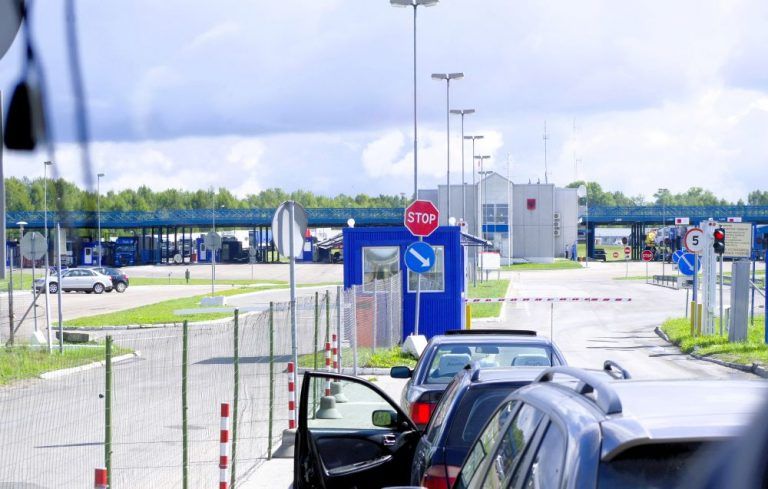
The European Commission has signaled plans to tighten Schengen visa rules for Russian nationals following mounting criticism from a group of European countries that say current policies are being applied inconsistently across the bloc, reports news network Euronews.
The proposed measures, expected to be presented next year, would introduce what Brussels describes as “targeted restrictive visa measures” aimed at addressing security concerns linked to Russia’s ongoing war in Ukraine. However, any changes are unlikely to affect travel during the 2026 summer season, as visa issuance remains largely under the control of individual member states.
The move comes after 11 European nations, led by Sweden, called on the Commission to take stronger action and create a more unified approach to handling visa applications from Russian citizens. The coalition includes the Czech Republic, Denmark, Estonia, Finland, Iceland, Latvia, Lithuania, the Netherlands, Norway, Poland and Sweden.
In a joint letter sent to Brussels, the countries expressed concern over what they described as significant differences in how member states are implementing visa guidelines introduced after Russia’s full-scale invasion of Ukraine in 2022. Those measures were designed to reduce non-essential travel from Russia, increase security screening and gradually phase out multi-entry visas in favor of single-entry permits.
According to the letter, inconsistent implementation has weakened the effectiveness of the policy and sent mixed political messages at a time when Europe is seeking to maintain a united stance against Moscow.
The coalition urged the Commission to introduce binding restrictions, improve enforcement of existing guidelines and provide regular updates on visa issuance statistics involving Russian nationals.
Responding to the criticism, European Commission officials defended their record, noting that the number of Schengen visas issued to Russian citizens has fallen dramatically since the start of the war. Before the invasion, approximately four million visas were granted annually. By 2025, that figure had dropped to around 500,000.
France, Italy and Spain the most lenient to deliver visas
Nevertheless, several major tourism destinations continue to issue significant numbers of visas.
France granted the highest number of Schengen visas to Russian nationals in 2025, issuing nearly 180,000 permits, an increase from the previous year. Italy followed with close to 160,000 visas, while Spain issued just under 100,000.
Although not named directly in the coalition’s letter, the three countries have become the focus of criticism from those advocating stricter travel restrictions.
The letter argues that it is difficult to justify large numbers of Russian tourists enjoying vacations across Europe while the conflict in Ukraine continues and civilian areas remain under attack.
Supporters of the current approach counter that larger countries naturally process more visa applications due to their size, tourism infrastructure and diplomatic presence. They also argue that ordinary Russian travelers should not automatically be equated with individuals responsible for the Kremlin’s policies, many of whom are already subject to extensive EU sanctions.
The debate highlights growing divisions within Europe over how far travel restrictions should go as the war in Ukraine enters its fifth year.
(Source: Euronews)