
Will the real Sustainable Tourism certificate please stand up?
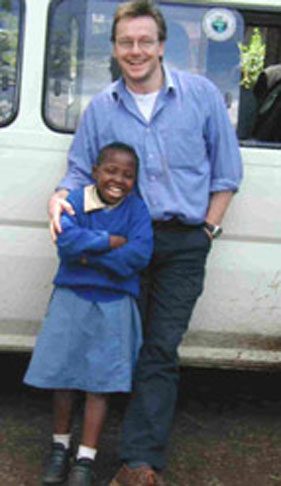
If every tourism certification kite mark out there cost nothing and they weren’t displayed on websites and brochures, would anyone bother going through the audit? Writes Gavin Bate
Sustainable Tourism is indulging in a lot of navel-gazing and heated debate at the moment. Same with that old chestnut of voluntourism and eco-tourism – it seems that, for every opinion, there’s another certification scheme. Academics, campaigners, bloggers, researchers, tour operators, consultants and policy-makers are all fulminating on the trend for doing things right and trying to avoid being labelled commercial, colonial, greedy or uncaring.
You wonder why there can’t be collaboration in a non-competitive atmosphere but, frankly, some stakeholders are too busy with moral one-upmanship. The language is often antagonistic, with the subject drifting into subjectivity because, ultimately, this is largely about opinions – but I suspect that the consumer would like to see a bit more of a love-in than chest-beating.
The consumer wants to have a great holiday without the guilt trip, happy in the knowledge that it is being organised in an equitable way with nobody being exploited and everybody making a fair share from the spoils. And, if your product is generating healthy sustainable income for lots of people without stamping on their rights and your client has a happier experience because of it, then you won’t need a kite mark anyway, which is something like the Fair Trade Volunteering idea. My experience is that your repeat business increases, your reputation improves by word of mouth and you get long-term staff loyalty.
But people are influenced by a certification mark on a website, much as we all are by similar marks – on food packaging, for example. Inevitably they could end up being misused as a marketing tool, so it is fair to say we need to promote good standards and audit processes – for example, in the way that AITO (http://www.aito.com) does for its members.
However, when you’ve got multiple standards, organisations and audit processes, and an ‘oil and water’ relationship between academia and commerce, then the message is one of disunity and confusion.
As a high-altitude mountaineer, I have to get my teams working safely together towards a single goal. When we get to stand on mountain-top, and everybody realises that, actually, they couldn’t have done it without each other, it’s always the defining moment of the expedition, and of course vital to its success.
I sit on a number of committees, all discussing similar issues of Sustainable or Responsible Tourism, and the concept of saving time by collaborating seems to be anathema. Unfortunately there are plenty of people who would overcomplicate the debate and, ultimately, just like on an expedition, it’s all about human nature. But at least let’s act inclusively! It’s the least we can do for all the people who we’re trying to sustain.
By Gavin Bate, Director of Adventure Alternative and panel member of the Association of Independent Tour Operators (AITO) Sustainable Tourism Committee:
Get special offer sustainable tourism info HERE


Valere
















Vegas’s Billion-Dollar Secrets – What They Don’t Want Tourists to Know

Visit Florida’s New CEO Bryan Griffin Shares His Vision for State Tourism with Graham

Chicago’s Tourism Renaissance: Graham Interviews Kristin Reynolds of Choose Chicago

Graham Talks with Cassandra McCauley of MMGY NextFactor About the Latest Industry Research

Destination International’s Andreas Weissenborn: Research, Advocacy, and Destination Impact

Graham and Don Welsh Discuss the Success of Destinations International’s Annual Conference

Graham and CEO Andre Kiwitz on Ventura Travel’s UK Move and Recruitment for the Role

Brett Laiken and Graham Discuss Florida’s Tourism Momentum and Global Appeal

Graham and Elliot Ferguson on Positioning DC as a Cultural and Inclusive Global Destination

Graham Talks to Fraser Last About His England-to-Ireland Trek for Mental Health Awareness

Kathy Nelson Tells Graham About the Honour of Hosting the World Cup and Kansas City’s Future

Graham McKenzie on Sir Richie Richardson’s Dual Passion for Golf and His Homeland, Antigua







 ADS PRO
Global tourism exceeds 1.5 billion travelers announces UN-Tourism
Qatar Airways offers reduced timetable to over 60 destinations
WTTC global tourism reached record economic impact of 11 trillion in 2025
Hands In, UATP join forces for airline multi-card payments
Suspension of all regional trains in Catalonia following two new rail accidents in Spain