
CAA says many passengers are paying unnecessarily to sit together on flights
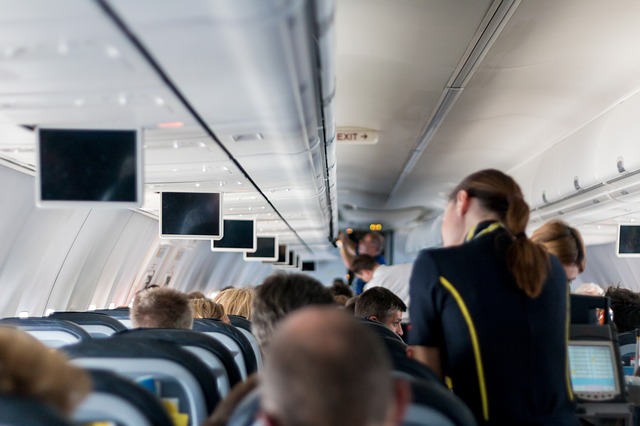
Consumers are forking out anywhere between £160m-£390m per year for allocated seating, yet up to half are paying unnecessarily as they would be seated together anyhow.
The findings have been revealed in the Civil Aviation Authority (CAA)’s initial review of how airlines allocate seats to passengers.
For most people, having to pay in advance to sit together is one of their biggest concerns and the whole process is confusing, with many not always understand the likelihood of being split up, leading them potentially to pay the optional fee even when the chances of being split up are low.
Seating policies vary between airlines operating in the UK, which mean those flying with some airlines were more likely to report being separated from their group than those flying with others.
Among key concerns are that some passengers with reduced mobility may have paid to sit with a carer when the airline would have sat them together for free and fears among parents who worry they might be separated from their children – particularly those under 12 – when guidance states they should be sat together.
The CAA also found consumers were most likely to spend £5-£30 per seat, per journey, but seats could cost up to £100
Collectively, consumers may be paying between £160 million to £390 million per year for allocated seating.
While some consumers may gain the certainty of knowing they will be sat together once they have paid, people may be spending around £74 million to £175 million unnecessarily as they would have been seated together automatically.
Each of the top-10 airlines based on passenger numbers told the CAA it had received complaints about allocated seating, with one sent almost 3,000 complaints last year.
CAA policy director Tim Johnson said: "The practice of charging for allocated seating has clearly become part of airlines’ pricing strategies, which can impact especially on certain groups, such as those with accessibility needs and those travelling with young children.
"We are also concerned about how transparent and easy it is to compare prices and make an informed buying decision.
"We are proposing a new framework, following engagement with stakeholders, which will be used to assess airline seating practices. This includes transparency, options to add information about travelling with children, older people and those with accessibility needs."
Aviation minister Liz Sugg said: "Alongside the new framework, over the coming months we will be working with airlines to explore ways to make prices clearer and more transparent. We will also be working with other regulators on the use of allocated seating algorithms. We will continue to investigate and oversee safety requirements in this area."


Lisa
Lisa joined Travel Weekly nearly 25 years ago as technology reporter and then sailed around the world for a couple of years as cruise correspondent, before becoming deputy editor. Now freelance, Lisa writes for various print and web publications, edits Corporate Traveller’s client magazine, Gateway, and works on the acclaimed Remembering Wildlife series of photography books, which raise awareness of nature’s most at-risk species and helps to fund their protection.




















Vegas’s Billion-Dollar Secrets – What They Don’t Want Tourists to Know

Visit Florida’s New CEO Bryan Griffin Shares His Vision for State Tourism with Graham

Chicago’s Tourism Renaissance: Graham Interviews Kristin Reynolds of Choose Chicago

Graham Talks with Cassandra McCauley of MMGY NextFactor About the Latest Industry Research

Destination International’s Andreas Weissenborn: Research, Advocacy, and Destination Impact

Graham and Don Welsh Discuss the Success of Destinations International’s Annual Conference

Graham and CEO Andre Kiwitz on Ventura Travel’s UK Move and Recruitment for the Role

Brett Laiken and Graham Discuss Florida’s Tourism Momentum and Global Appeal

Graham and Elliot Ferguson on Positioning DC as a Cultural and Inclusive Global Destination

Graham Talks to Fraser Last About His England-to-Ireland Trek for Mental Health Awareness

Kathy Nelson Tells Graham About the Honour of Hosting the World Cup and Kansas City’s Future

Graham McKenzie on Sir Richie Richardson’s Dual Passion for Golf and His Homeland, Antigua







 ADS PRO
Global tourism exceeds 1.5 billion travelers announces UN-Tourism
Qatar Airways offers reduced timetable to over 60 destinations
WTTC global tourism reached record economic impact of 11 trillion in 2025
Hands In, UATP join forces for airline multi-card payments
Suspension of all regional trains in Catalonia following two new rail accidents in Spain