
Tourism Malaysia has a significant presence at ITB Berlin 2026 as the country launches its Visit Malaysia 2026 with a very ambitious target to welcome 47 million international travelers.
Travelmole sat down with Mohd Amirul Rizal Abdul Rahim, Director General, Tourism Malaysia, at the show. He explained how Tourism Malaysia can accommodate such a large number of visitors without compromising on the authenticity of their holiday experience.
What were Malaysia’s main source markets last year?
Mohd Amirul Rizal Abdul Rahim – China led among overseas markets, with around 4.5 million visitors, supported by visa liberalization. India also performed strongly. In Europe, Germany recorded 188,000 visitors, a 10.7% increase year-on-year, making it Malaysia’s third-largest European market after the UK and France. This is remarkable despite the absence of direct flights with Germany.
You are targeting new regions such as Central Asia. Why?
Mohd Amirul Rizal Abdul Rahim – Countries like Kazakhstan and Uzbekistan offer strong growth potential. We are actively engaging wholesalers there to position Malaysia more prominently in Asia-bound travel portfolios. Diversification is essential in today’s volatile environment.
How do you balance growth and sustainability?
Mohd Amirul Rizal Abdul Rahim – Carrying capacity is crucial. In sensitive areas such as Sabah and the East Coast, we regulate visitor flows. We have learned from regional examples where overtourism forced temporary closures.
Quality over quantity is now central to our approach. Government discussions increasingly focus on visitor spending, local income generation and sustainability—not just arrival numbers.
Speaking of sustainability, are “Surreal Experiences” part of this strategy and how can travelers enjoy it?
Mohd Amirul Rizal Abdul Rahim – It is about authentic, hands-on engagement. Instead of simply visiting a destination, travelers participate—learning to cook local dishes, flying traditional kites (wau), experiencing village life, or engaging with nature in a meaningful way. The focus is on culture and sustainability. We want visitors to connect deeply with local communities and environments.
Are you promoting secondary destinations?
Mohd Amirul Rizal Abdul Rahim- Absolutely. While Langkawi remains a flagship, we are highlighting places like Perhentian Islands, Kota Bharu, Teluk Intan and Sungai Petani. These destinations appeal to targeted segments seeking authenticity rather than mass tourism experiences.
How is Malaysia coping with the current Middle East crisis and its impact on air connectivity?
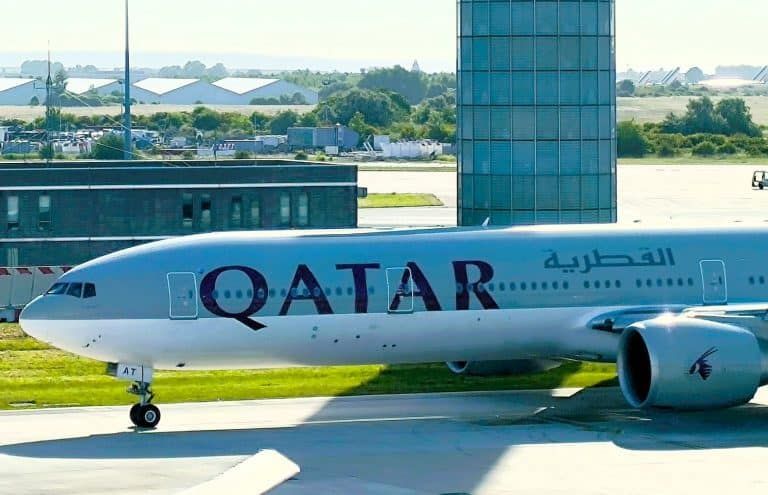
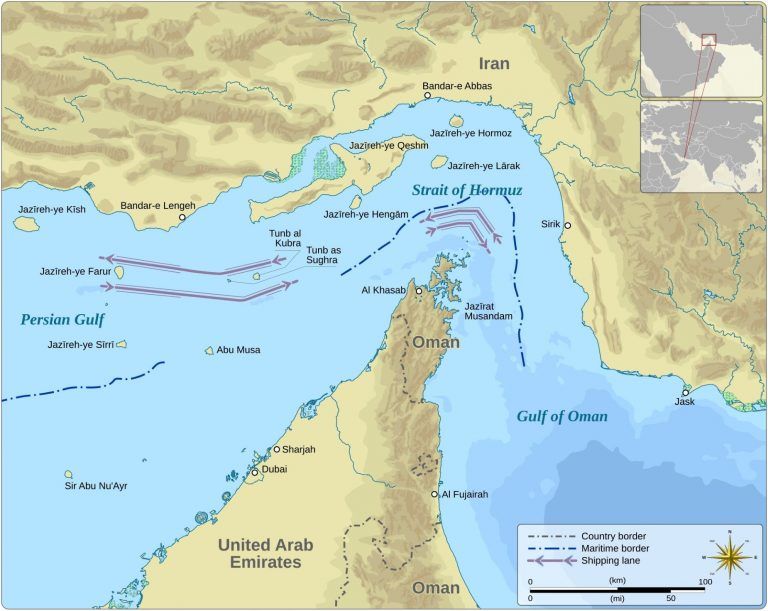
Mohd Amirul Rizal Abdul Rahim – We cannot afford to “wait and see.” Tourism is a very fragile industry. When tensions rise in the Middle East, especially with airspace disruptions, it directly affects Malaysia and the wider ASEAN region. Much of the connectivity between Europe and Asia relies on Middle Eastern hubs.
Airfares have surged dramatically. When a one-way ticket between Paris and Singapore reaches around $2,000, it impacts demand and purchasing power. This affects not only Malaysia but all destinations in the region.
What immediate steps are you taking?
Mohd Amirul Rizal Abdul Rahim – We held a crisis management meeting at our headquarters to assess cancellations, particularly from Europe and the United States. From there, we are readjusting routes and partnerships.
We are working more closely with airlines that are less affected by the current situation, including Singapore Airlines and Thai Airways International. We are also exploring stronger cooperation with Chinese and Indian carriers, potentially using hubs like Mumbai as alternative transit points. We are also looking at ways to have more direct, non-stop flights to Malaysia. The key is flexibility. We must adapt quickly.
Are you revising your 2026 forecasts?
Mohd Amirul Rizal Abdul Rahim – Yes, we are in the process of revising them. We are analyzing cancellation figures and affected markets. At the same time, we are prioritizing markets that are less dependent on Middle Eastern transit routes, particularly within Asia and Oceania.
What is your final message to the travel trade?
Mohd Amirul Rizal Abdul Rahim – Malaysia remains open, adaptable and committed to sustainable growth. In times of crisis, agility and partnership are key—and we are ready to move forward.