
EXCLUSIVE: Tourism for Tomorrow Finalist Planeterra Boss Talks to VISION
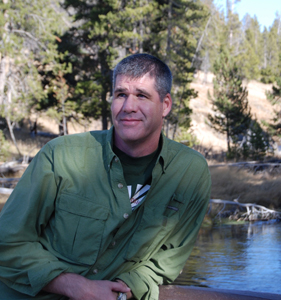
Richard G Edwards, boss of G.A.P. Adventures Planeterra Foundation, Tourism for Tomorrow finalist, talks exclusively to VISION on Sustainable Tourism editor Valere Tjolle:
Q: Congratulations on getting to the finals of the Tourism for Tomorrow Awards -What does this mean for you?
A: Thank you. It’s an honour to be so close to such a prestigious centre stage. In order to say what this recognition means to us, I’d need to provide some background for those who aren’t familiar with G.A.P Adventures and Planeterra. Since inception, G.A.P has been built on an integrated model of sustainability. That was the whole idea. At the heart of what we do has always been the belief that a fulfilling adventure in another culture involves, of course, minimizing your environmental footprint in a number of ways. But just as vital to our trips is unscripted interaction with local people on their terms, understanding that real, meaningful experiences happen by being immersed in another place.
We take a holistic approach to evaluating sustainability in every facet of our business, as opposed to looking for sustainable initiatives here and there to try to mitigate certain of the largest and most obvious impacts on the environment and local communities. Our trips often use efficient local transportation, incorporate locally owned lodgings whenever possible, and employ local people at fair wages. We also actively engage in environmental conservation, cultural preservation and community development through our Planeterra projects. These are a few of the same aspects of our trips that appeal to travellers and motivated 85,000 people to take an adventure trip or voluntour with us last year; a choice made over vacations spent lying on a beach at a mega-resort or stepping on a massive cruise ship.
To finally answer your question, it’s really not as much about what it means to G.A.P, or Planeterra, but about being extremely satisfied that some features of a truly sustainable travel model are beginning to hit mainstream tourism. There’s a long way to go. Even if it’s not wholly understood yet that operational cost cutting, energy saving measures, isolated climate initiatives, and snippets of local culture don’t constitute sustainable travel by themselves, having G.A.P and Planeterra receiving this type of recognition backed by such a distinguished group of large travel industry organizations is significant and may mean tourism is moving in a direction we hope to help guide. As I’ll highlight at the Planeterra-sponsored CSR Day at ITB in Berlin, our experience is that more people want more out of their travels- they want to be travellers, not tourists.
Q: Can you give me examples of Planeterra’s key sustainable tourism initiatives in 2008? And your biggest success so far?
A: Rather than viewing sustainability as a series of individual initiatives, we see it as more of a free-flowing, integrated part of what we do, woven into our approximately 30 projects and G.A.P’s corporate operations. Our support of these projects benefits the health and welfare of local people in the communities our travellers visit, as well as other places that aren’t as easy to reach. We’ve had a number of successes, both through partnering with other profits we believe in and by working directly in other countries. The breadth of this support and interaction is our greatest success.
Last year we were able to give the gift of sight to over 200 Tibetans who had been blinded by cataracts, at a “sight camp” in the remote village of Chabcha. Over 400 others with eye conditions received medical exams and were treated. In addition to funding the Chabcha camp, we also provided surgical equipment for the local hospital and training for local doctors. We will be funding an additional camp in Tibet later in the year.
We have also been able to respond quickly following natural disasters in the areas in which we operate. In the immediate aftermath of an earthquake that devastated the town of Pisco, in southern Peru, we raised over $130,0000 in donations from travellers and staff. Our local offices collected camping gear, clothing, supplies and food, which were then delivered directly to the site of the disaster.
Our women’s weaving project in the Sacred Valley of Peru is, in my opinion, an ideal model of how community development and tourism can work together beneficially. We have partnered with a local community that is home to many of the cooks and porters who work for G.A.P on the Inca Trail. With the women of this community, we have developed a weaving co-operative, where the women use traditional practices of dying the whole using natural plants and flowers. Our groups visit this project while on a tour of the Sacred Valley and can learn about the co-operative, the weaving processes and purchase goods directly from the women who have made them. The project allows the women of this community to preserve their cultural heritage, help provide for their families, and benefit from tourism on their own terms.
Q: And what are you working on at the moment, for the future?
A: We are very excited to be able to talk about a huge infusion of support for Planeterra moving forward from G.A.P and its travellers, as well as from a number of key partners who are pledging significant participation. Interest has been high in our past successes and aggressive future plans to promote integrated thinking about sustainability and backing that up with an array of projects that contribute to healthy communities and our environment.
There are also considerable plans, already well in motion, to increase Planeterra’s infrastructure. Bruce Poon Tip (G.A.P Adventures founder) made the decision to raise the financial commitment to seeing Planeterra take the next steps to being a global voice in promoting the full incorporation of sustainability into the travel industry. Part of that commitment was to bring on a first Director of Planeterra, an opportunity I was thrilled to accept, which also includes being a member of the G.A.P executive management team with input into company decisions at the highest level. Creating the position and the Foundation is inarguably an innovative sustainability strategy.
Later this year we’ll also be announcing the joyful culmination of one our most popular projects among our travellers over the last several years. Stay tuned…
Q: What are your most important sustainable tourism principles and who do you see benefiting from them?
A: A triple bottom line approach to the tourism business, where equal attention is paid to the economic, social and environmental components of how business is done, is essential to providing a future to the tourism industry, Sustainable tourism can’t be seen as a niche tourism product – tourism needs to become sustainable. Everyone benefits, not only by preserving cultures and natural areas, but by avoiding some catastrophic consequences if we continue to use resources at current levels and disregard environmental challenges.
Q: The future looks pretty challenging – climate change, global political instability, the economic situation, fuel, food, water, population increases, changes in tourism source markets. Which of these challenges do you think hold the most danger, and which hold the most potential opportunities for you and sustainable tourism?
A: If I sit really still and listen carefully for the whispers in the wind of my old mentors in sustainable development, I would say that population increases are driving much of what ills us, including many of the issues you mention. More people means less water, food, fuel, land and other resources available, all causing conflict. Given current conditions in the world, I’d have to agree.
My own take is that the inequitable distribution of resources and overconsumption in the developed world are at the root. Here’s where it can get pretty philosophical. If those who are consuming more than their share can begin to understand that they’re not living a sustainable lifestyle, or even an especially fulfilling one, I could see nearly all of these negative issues easing. There would be a collective shift toward giving as a way of receiving. For tourism, it would mean more of the type of travel we’re promoting and offering.
Balance is a word I invariably come back to when wondering what is the key to it all. And balance would be a wonderful word to describe a tourism industry that later found itself becoming sustainable.
Q: What do you see as a key factor to riding the storm in 2009?
• In the industry as a whole
• By GAP and Planeterra
A: Price is the easy answer. The situation forces you to return to analyzing your value proposition, even for a value-driven organization like ours. Many people are reassessing their lives and priorities. They are seriously considering Barack Obama’s call to service. And, if they feel they have the resources to travel, they completely understand they’re in a buyers’ market. This creates a number of challenges for travel companies related to: competitive pricing; maintaining service levels, in order to not shoot yourself in the foot in terms of potential repeat business; evaluating your product offering to incorporate the sustainability necessary to think we’ll all be able to offer a product line in the long-term; and attracting current travellers who are searching for more meaning in their holiday.
From our perspective, we just need to keep doing what we’re doing and not relax in helping to sustain, build and preserve local communities, and linking those to desirable travel experiences. Fortunately, things are going very well for us right now, but we understand that there are very large forces at work here.
Q: It’s pretty difficult to see the future at the moment, after all EVERYTHING could change. Are you willing to be a little brave and tell us how you see it in 2020? 2050?
A: I’m hopeful. Probably not entirely optimistic – but hopeful. There is a shifting tide driven by consumers, as only it could be, to demand more accountability from corporations and governments for the environmental mess we find ourselves well into creating. I actually believe the economic downturn could end up causing a little reflection – a much needed breather. I was encouraged last month as I drove the coastal highway along the Pacific in Costa Rica to see vines growing on some of the highly intrusive, ill-planned and environmentally devastating timeshare projects, now abandoned, that began to sprout up at an out of control pace a few years ago.
If the reality that sustainability is integral to good, cost-effective business takes hold now that costs are being looked at more closely, it would mean we move beyond un-empowered CSR departments that offer advice without the ability to institute or obligate change. It could very well lead to a 2020 with tourism businesses that have sustainability factored into each aspect of their operations, and development projects that aren’t sustainable don’t get off the ground.
Q: What do you suggest should be the tourism industry’s key focus issue in 2009?
A: If you would have asked me last year to say what 2009 should be about, my answer would have obviously been very different. I see a huge opportunity now. Given the economic realities, I would be very pleased to see the tourism industry taking a hard look at all of the costs associated with the nearly unrestrained development of the last several years through a different lens. The global downturn is forcing companies to look at these costs, so it seems a perfect opportunity to have the industry factor in the environmental and social costs of their operations at the same time. My hope would be that the travel industry would move more cautiously, mindful of these additional costs, and emerge with the ability to lead other sectors of the economy to a greater understanding of how to factor in the costs and greater benefits of integrated triple bottom line business methods.
Q: And what will Planeterra’s key focus issue be?
A: Demonstrating ways tourism can contribute to cultural and environmental preservation, and giving travellers a way to get involved. So many travellers are just looking for direction and help in making a contribution where they feel assured they are making a real difference with someone they connected with on their trip. Change is consumer-driven, so we feel that more traveller involvement in this area will shift overall trends in the tourism industry at large.
Q: Planeterra has made tremendous strides in sustainable tourism, supporting initiatives. Where do you see its involvement leading, and what are the next few steps?
A: We’re looking to increase the reach of our message concerning best practices in sustainable community development. We’re finalizing several partnerships with organizations that have already made wonderful headway in disseminating those ideas, as well as with large travel industry and media partners interested in supporting us in this outreach. By getting partners and more travellers involved, we’ll be looking to expand significantly the number of projects we’re able to support.


Valere

















Vegas’s Billion-Dollar Secrets – What They Don’t Want Tourists to Know

Visit Florida’s New CEO Bryan Griffin Shares His Vision for State Tourism with Graham

Chicago’s Tourism Renaissance: Graham Interviews Kristin Reynolds of Choose Chicago

Graham Talks with Cassandra McCauley of MMGY NextFactor About the Latest Industry Research

Destination International’s Andreas Weissenborn: Research, Advocacy, and Destination Impact

Graham and Don Welsh Discuss the Success of Destinations International’s Annual Conference

Graham and CEO Andre Kiwitz on Ventura Travel’s UK Move and Recruitment for the Role

Brett Laiken and Graham Discuss Florida’s Tourism Momentum and Global Appeal

Graham and Elliot Ferguson on Positioning DC as a Cultural and Inclusive Global Destination

Graham Talks to Fraser Last About His England-to-Ireland Trek for Mental Health Awareness

Kathy Nelson Tells Graham About the Honour of Hosting the World Cup and Kansas City’s Future

Graham McKenzie on Sir Richie Richardson’s Dual Passion for Golf and His Homeland, Antigua







 ADS PRO
Higher departure tax and visa cost, e-arrival card: Japan unleashes the fiscal weapon against tourists
Singapore to forbid entry to undesirable travelers with new no-boarding directive
Euromonitor International unveils world’s top 100 city destinations for 2025
U.S.A. and Israel attacks on Iran impact air movements in the Gulf (Update 1.00pm CET)
Global tourism exceeds 1.5 billion travelers announces UN-Tourism