
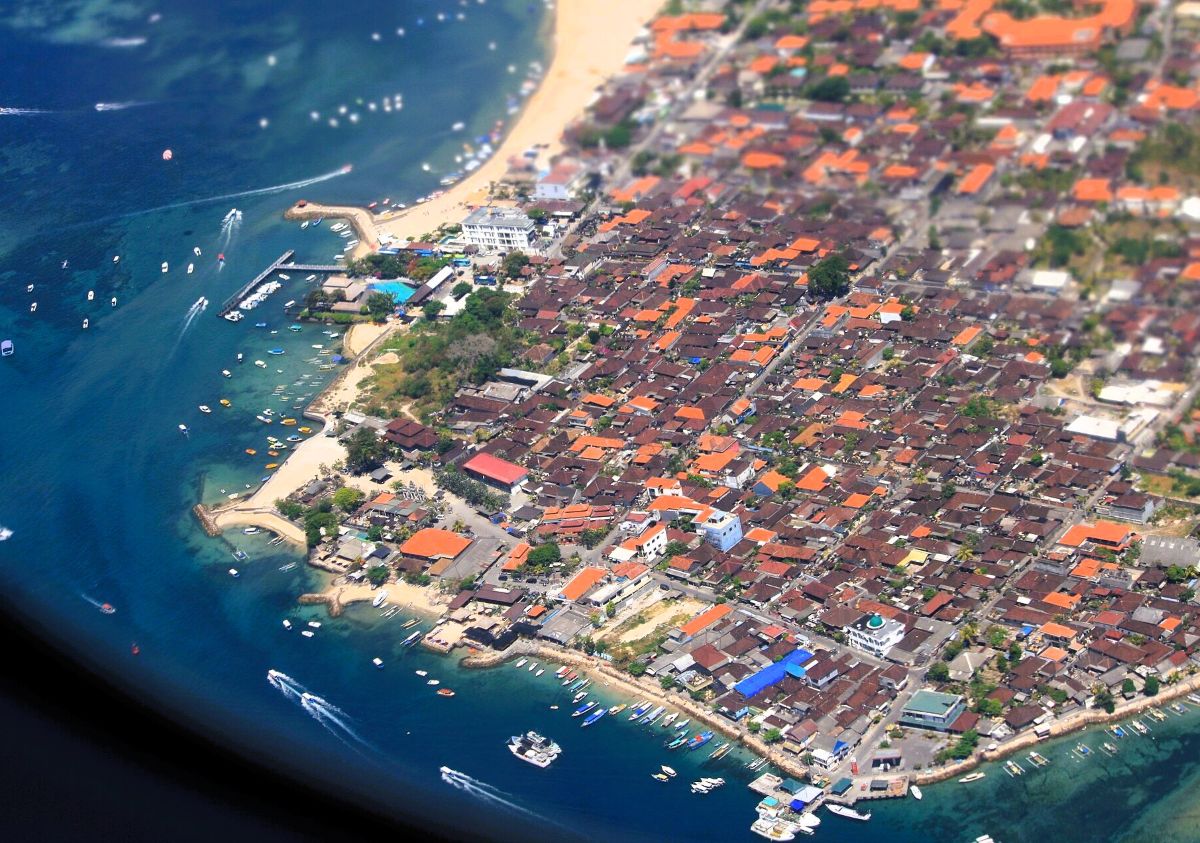
Days of relentless heavy rain have triggered flooding and landslides across Bali, disrupting daily life in both residential districts and major tourist areas.
Several of the island’s busiest tourism zones have been affected, particularly in South Bali. Flooding was reported in Bali regional capital Denpasar as well as in Kuta, Legian and Sanur.
Days of intense rainfall caused rivers to overflow and inundate low-lying neighborhoods. In parts of Denpasar, including the popular Hang Tuah Street, water levels reached up to one meter, with residents wading through knee-deep water inside their homes. Tourist areas including Kuta, Legian and Sanur also experienced flooded streets and access problems.
Residents described the current episode as worse than typical seasonal flooding following several consecutive days of heavy rain. Authorities said however that the flooding was mainly caused by swollen rivers rather than blocked drainage systems.
In some neighborhoods, emergency teams evacuated residents and visitors using rubber boats as roads became impassable. Floodwaters in certain locations rose to chest height. Despite the disruptions, no fatalities have been reported.
Heavy rain also triggered landslides in central and eastern Bali. In Ubud, in Gianyar regency, landslides damaged buildings and religious facilities, including a collapsed retaining wall at Pura Kelembu temple. Another landslide near The Yoga Barn damaged nearby structures and temporarily blocked access to a local school. Further east, Karangasem reported numerous weather-related incidents including fallen trees, damaged homes and collapsed retaining walls.
Indonesia’s meteorological agency BMKG has issued high-level weather warnings across much of the island. Red alerts for extreme rainfall have been announced for Denpasar, Badung, Gianyar, Tabanan, Klungkung and Karangasem. Heavy rain is expected to continue in the short term, increasing the risk of further flooding and landslides.
In the meantime, BMKG warned of hazardous sea conditions around Bali and nearby waters, with waves forecast to reach up to four meters in the southern Indian Ocean until February 28. The warning applies to ferries, fishing vessels and small craft operating around Bali and neighboring islands.
Despite the severe weather, Bali’s Ngurah Rai International Airport remains however open and operational. After experiencing delays or diversions due to poor weather conditions, operations have largely returned to normal.







































 ADS PRO
Phocuswright reveals the world's largest travel markets in volume in 2025
Higher departure tax and visa cost, e-arrival card: Japan unleashes the fiscal weapon against tourists
Singapore to forbid entry to undesirable travelers with new no-boarding directive
Cyclone in Sri Lanka had limited effect on tourism in contrary to media reports
Euromonitor International unveils world’s top 100 city destinations for 2025