
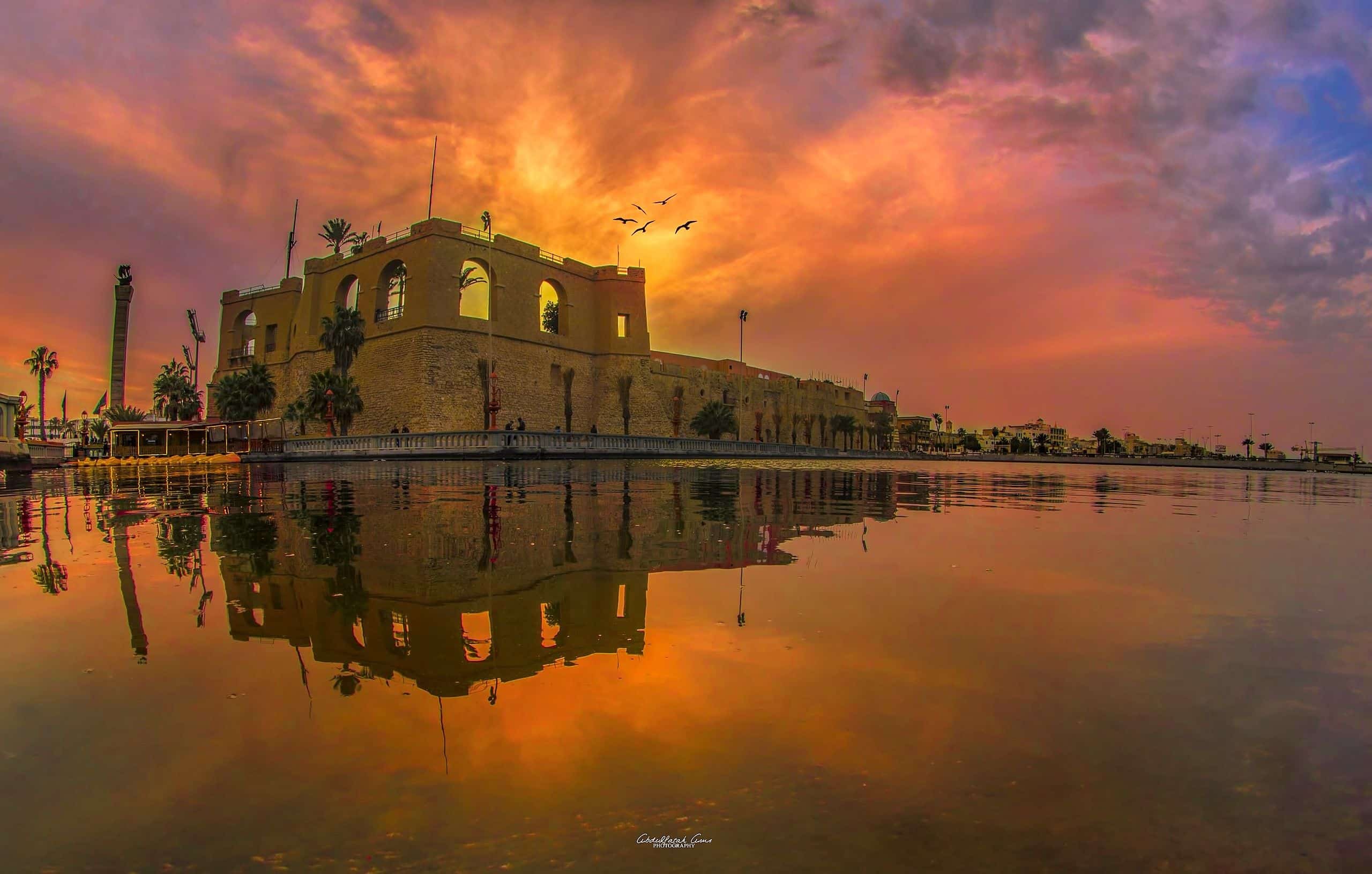
After 14 years of closure due to civil war, Libya’s national museum finally reopened its doors, giving visitors the opportunity to explore the country’s rich and complex history. The National Museum of Libya is housing Africa’s greatest collection of classical antiquities in Tripoli’s historic Red Castle complex. The museum owes its grandeur to the visionary architect Saul Meraviglia Mantegazza from Milan. It was constructed between 1924 and 1939 in a grand neo-mauresque-style, and was due to serve as a Royal Palace.
Libya has struggled to protect its heritage against the backdrop of years of war, turmoil and unrest. However, the reopening of the major museum in Tripoli offers a new and hopeful beginning.
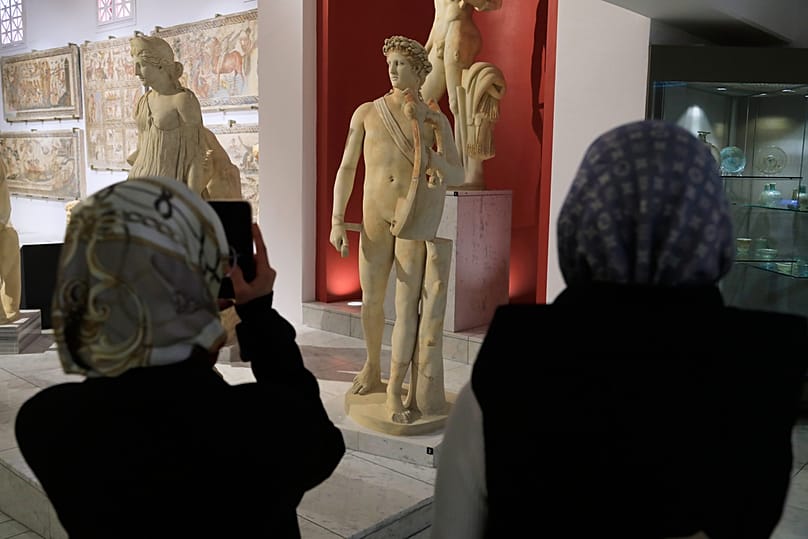
One of the most famous artifacts that moved the public was a frail child mummy, about 5,400 years old, and hailing from Uan Muhuggiag, an ancient site in the south of the country, according to the Smithsonian.
National identity
Libya has been wrecked by violence since a NATO-backed uprising toppled and killed longtime leader Muammar Gaddafi in 2011.
The country was after that split for years between rival administrations in the east and the west, each supported by an array of militias and foreign governments. This makes the country still a out-of-limit destination to visit for most travelers.
Travel to Libya remains prohibited by most countries for the time being such as from the Foreign Office or the U.S. State department.
Visitor Wael Mabrouk, who toured the museum his children was grateful it is back in operation. “I took this opportunity to teach the little ones about Libya’s wonderful history,” he said.
A website exists for the museum but is unfortunately only available in Arabic for the time being. The museum reopening is then more than symbolic: it is also a sign of a return to stability for Libya.
The UN in a study assessed that Libya is now embarking into a scheme to revive its tourism. Tripoli Old Town is now being restored while the country launches last year an e-visa system, its first concrete steps to open its doors to international visitors. With the museum, this signals a renewed commitment to welcoming the world and reclaiming Libya’s place on the global tourism map.
(Source : AP- UNDP)






































 ADS PRO
Global tourism exceeds 1.5 billion travelers announces UN-Tourism
Qatar Airways offers reduced timetable to over 60 destinations
WTTC global tourism reached record economic impact of 11 trillion in 2025
Marginal increase for New York City tourism in 2025
Hands In, UATP join forces for airline multi-card payments