
South Korean travelers increasingly shun Southeast Asia for safety reasons
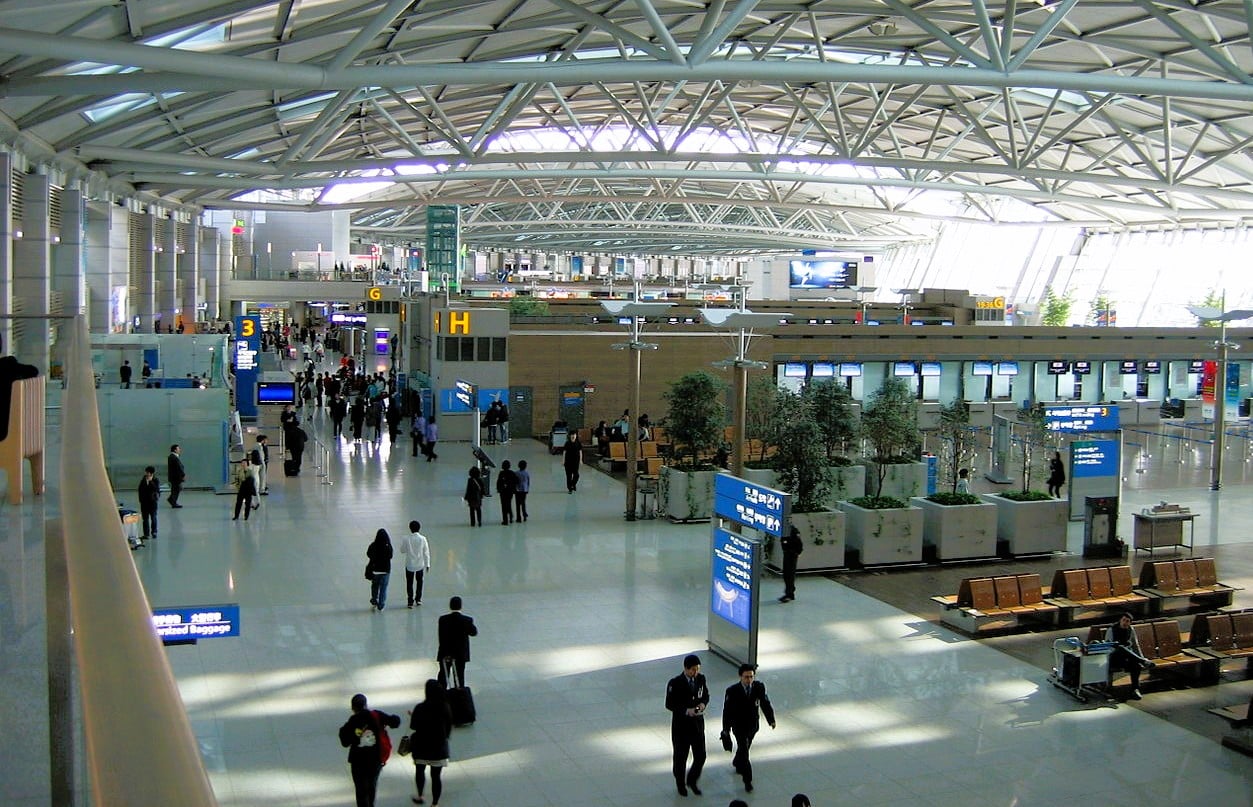
South Korean travel to Southeast Asia is taking a sharp downturn. Rising fears over human trafficking and scam operations in Cambodia is now spreading to more destinations in Southeast Asia such as the Philippines, Thailand and even Singapore. The trend reshapes outbound travel patterns and accelerates a broader shift toward China as a preferred short-haul destination.
Newly released figures from Incheon International Airport Corp. show that in October, departures from South Korea to Southeast Asian countries fell 7.25% from the previous month to 784,962 travelers. This is in sharp contrast with a 3.1% growth in overall international passenger traffic to more than 6.39 million.
Cambodia posted the steepest decline: arrivals plunged 15.4%, slipping from 13,727 in September to 11,613 in October. The Philippines and Thailand also recorded notable drops, with outbound traffic down 18.9% to 120,175 and down 5% to 157,402 respectively.
Cambodia scams drag down the interest towards most ASEAN countries
The pullback follows a wave of alarming reports in October detailing how young South Koreans, often enticed by fictitious job offers in tech or digital marketing, were trafficked into scam compounds operating in loosely regulated special economic zones in Cambodia. Victims were allegedly detained, forced to engage in online fraud, subjected to beatings and, in some cases, resold to other criminal groups.
Public sentiment has shifted rapidly. A Realmeter poll conducted Oct. 21 found 82.4% of respondents said the recent crimes influenced their perception of travel to Southeast Asia. The figure is even jumping to 88.3% among people in their 20s. More than half—56%—said South Korea’s Foreign Ministry mishandled the initial response to the crisis.
Travel agencies say the impact is already rippling through the market. “This isn’t just about group tours being pulled,” a travel-industry official told local media. “We’re seeing a tangible drop in demand from individual travelers—especially business visitors and solo leisure travelers. Package tours will likely feel the effect by year-end.”
Outbound general slowdown
The latest concerns also intersect with a broader structural trend in South Korean outbound travel. In the first half of 2025, the country recorded about 14.56 million outbound travelers, up nearly 4% from a year earlier.
But analysts say the growth appears to be leveling off. The standout shift has been a surge in travel to China, which is increasingly replacing traditional flows to South-east Asia.
China and Japan together saw a net increase of 740,000 travelers in H1 2025, of which China accounted for 470,000. In parallel, Thailand and the Philippines saw net declines of 150,000 and 140,000, respectively. Even Singapore recorded a drop of 12,000 Korean travelers during the first 9 months of 2025. Vietnam could now be the newest victim. News in Korea started to spread the information that criminal groups working in Cambodia start shifting activities to Vietnam.
The recent catastrophic typhoons and flooding in many southeast Asian countries are likely to translate into a further decline from South Korean visitors until year-end. While benefiting to North Asia destinations.
Related News Stories: Foreign tourist numbers to South Korea to break 20 million mark in ... North Korea to open beach resort Windstar Cruises opens summer 2027 Japan and Alaska programme Southwest inks new interline partnership with PAL French Riviera to boost its visibility with events, workshops and fam ... Phnom Penh to switch airports on September 9, 2025


newadmin





















Vegas’s Billion-Dollar Secrets – What They Don’t Want Tourists to Know

Visit Florida’s New CEO Bryan Griffin Shares His Vision for State Tourism with Graham

Chicago’s Tourism Renaissance: Graham Interviews Kristin Reynolds of Choose Chicago

Graham Talks with Cassandra McCauley of MMGY NextFactor About the Latest Industry Research

Destination International’s Andreas Weissenborn: Research, Advocacy, and Destination Impact

Graham and Don Welsh Discuss the Success of Destinations International’s Annual Conference

Graham and CEO Andre Kiwitz on Ventura Travel’s UK Move and Recruitment for the Role

Brett Laiken and Graham Discuss Florida’s Tourism Momentum and Global Appeal

Graham and Elliot Ferguson on Positioning DC as a Cultural and Inclusive Global Destination

Graham Talks to Fraser Last About His England-to-Ireland Trek for Mental Health Awareness

Kathy Nelson Tells Graham About the Honour of Hosting the World Cup and Kansas City’s Future

Graham McKenzie on Sir Richie Richardson’s Dual Passion for Golf and His Homeland, Antigua







 ADS PRO
Phocuswright reveals the world's largest travel markets in volume in 2025
Higher departure tax and visa cost, e-arrival card: Japan unleashes the fiscal weapon against tourists
Singapore to forbid entry to undesirable travelers with new no-boarding directive
Euromonitor International unveils world’s top 100 city destinations for 2025
U.S.A. and Israel attacks on Iran impact air movements in the Gulf (Update 1.00pm CET)