
The impact of the Brexit skills shortage
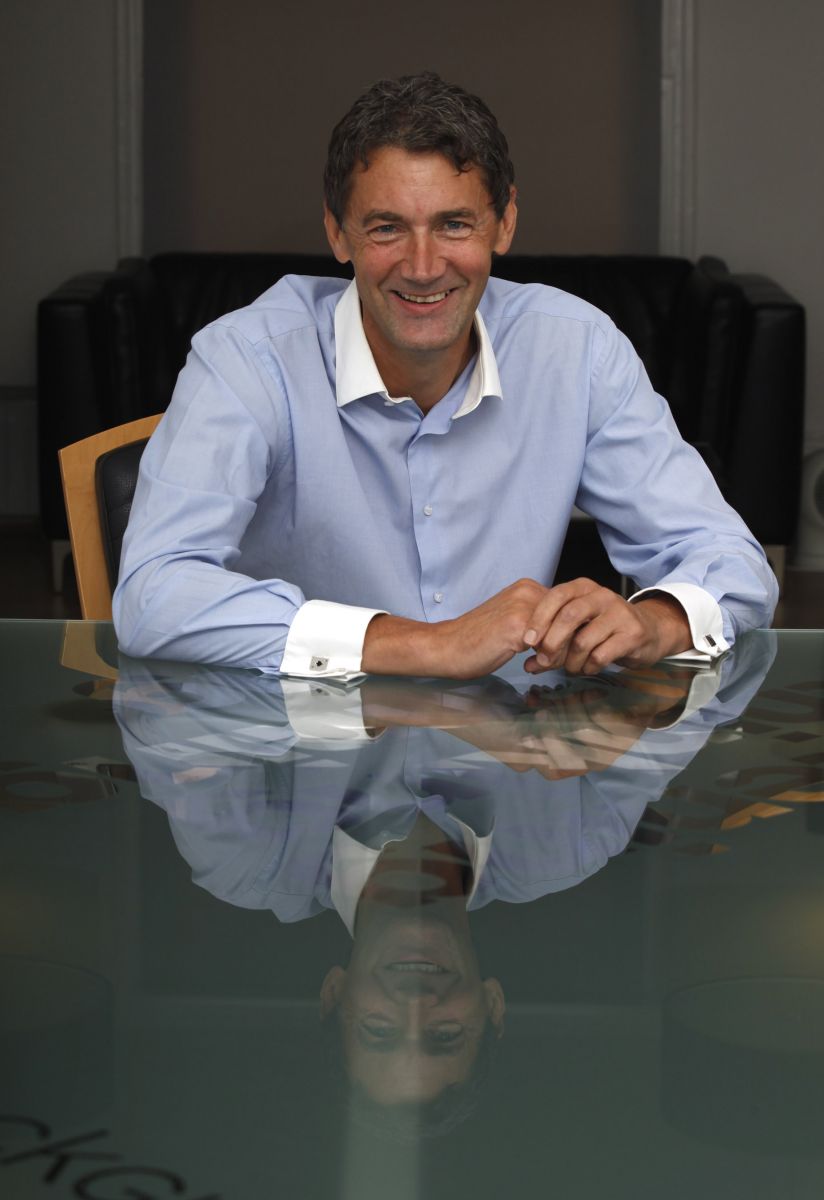
New figures show employers are struggling to fill vacancies as migration from the EU falls. Workadvisor.co.uk founder Philip Price argues that travel companies need new strategies to address the shortfall.
For the past two years, the travel industry has been sweating about the impact of the UK’s decision to leave the European Union. The number of people moving to the UK from other EU countries has fallen to its lowest level since 2013, according to the latest official figures, with the net long term migration figure from the EU at 101,000 in 2017.
Many companies in the industry have been struggling to attract people from the EU in the past 12 months and we haven’t even left yet. I’ve spoken to hoteliers in central London that employ European staff and they’re particularly worried about how they will continue to fill vacancies. A new survey of 2,000 employers share their views and say they too are suffering to find employees.
The Chartered Institute of Personnel and Development said the number of applicants per vacancy had fallen since last summer across all levels of skilled jobs. According to the survey, the number of people applying for the average low-skilled vacancy has fallen from 24 to 20 in the past year and from 19 to 10 for medium-skilled posts. At workadvisor.co.uk, we are seeing a similar picture in the travel industry, with an identical drop from 24 to 20 applicants for a low-skilled vacancy and a similar 18 to 12 drop for medium-skilled posts.
You may not think that’s particularly worrying; after all, we’re still getting a healthy number of people applying for jobs. But the number of people who are actually suited to the roles is much smaller. Also, people are finding they can pick and choose, and are often turning down jobs when they’ve been offered a position. The inevitable consequences of the shortages is that companies have to put up wages to attract people, which adds further pressure on their bottom line. We’ve seen wages in the travel industry rise more quickly than most pundits expected at this point in the economic cycle, particularly in low paid jobs.
So, what does this mean for the industry? Nobody is expecting the situation to get easier, unless there is an 11th hour u-turn and we stay in the EU, which now seems fanciful. Companies are starting to do two things. They are looking at their options outside the EU and, interestingly, working with training providers to create a supply of home grown talent in the UK. Hotel companies, in particular, are already putting these programmes in place. Many will argue that it’s no bad thing if investment is put into training for UK citizens. In fact, many will say it should be done, regardless of whether we are in the EU or not. There is always a sound argument for putting more money into training and education. But in the short term, there is likely to be pain for travel companies as they have to push up wages and find this extra cash from somewhere.


Bev
Editor in chief Bev Fearis has been a travel journalist for 25 years. She started her career at Travel Weekly, where she became deputy news editor, before joining Business Traveller as deputy editor and launching the magazine’s website. She has also written travel features, news and expert comment for the Guardian, Observer, Times, Telegraph, Boundless and other consumer titles and was named one of the top 50 UK travel journalists by the Press Gazette.
















Vegas’s Billion-Dollar Secrets – What They Don’t Want Tourists to Know

Visit Florida’s New CEO Bryan Griffin Shares His Vision for State Tourism with Graham

Chicago’s Tourism Renaissance: Graham Interviews Kristin Reynolds of Choose Chicago

Graham Talks with Cassandra McCauley of MMGY NextFactor About the Latest Industry Research

Destination International’s Andreas Weissenborn: Research, Advocacy, and Destination Impact

Graham and Don Welsh Discuss the Success of Destinations International’s Annual Conference

Graham and CEO Andre Kiwitz on Ventura Travel’s UK Move and Recruitment for the Role

Brett Laiken and Graham Discuss Florida’s Tourism Momentum and Global Appeal

Graham and Elliot Ferguson on Positioning DC as a Cultural and Inclusive Global Destination

Graham Talks to Fraser Last About His England-to-Ireland Trek for Mental Health Awareness

Kathy Nelson Tells Graham About the Honour of Hosting the World Cup and Kansas City’s Future

Graham McKenzie on Sir Richie Richardson’s Dual Passion for Golf and His Homeland, Antigua







 ADS PRO
Global tourism exceeds 1.5 billion travelers announces UN-Tourism
Qatar Airways offers reduced timetable to over 60 destinations
WTTC global tourism reached record economic impact of 11 trillion in 2025
Hands In, UATP join forces for airline multi-card payments
Suspension of all regional trains in Catalonia following two new rail accidents in Spain