
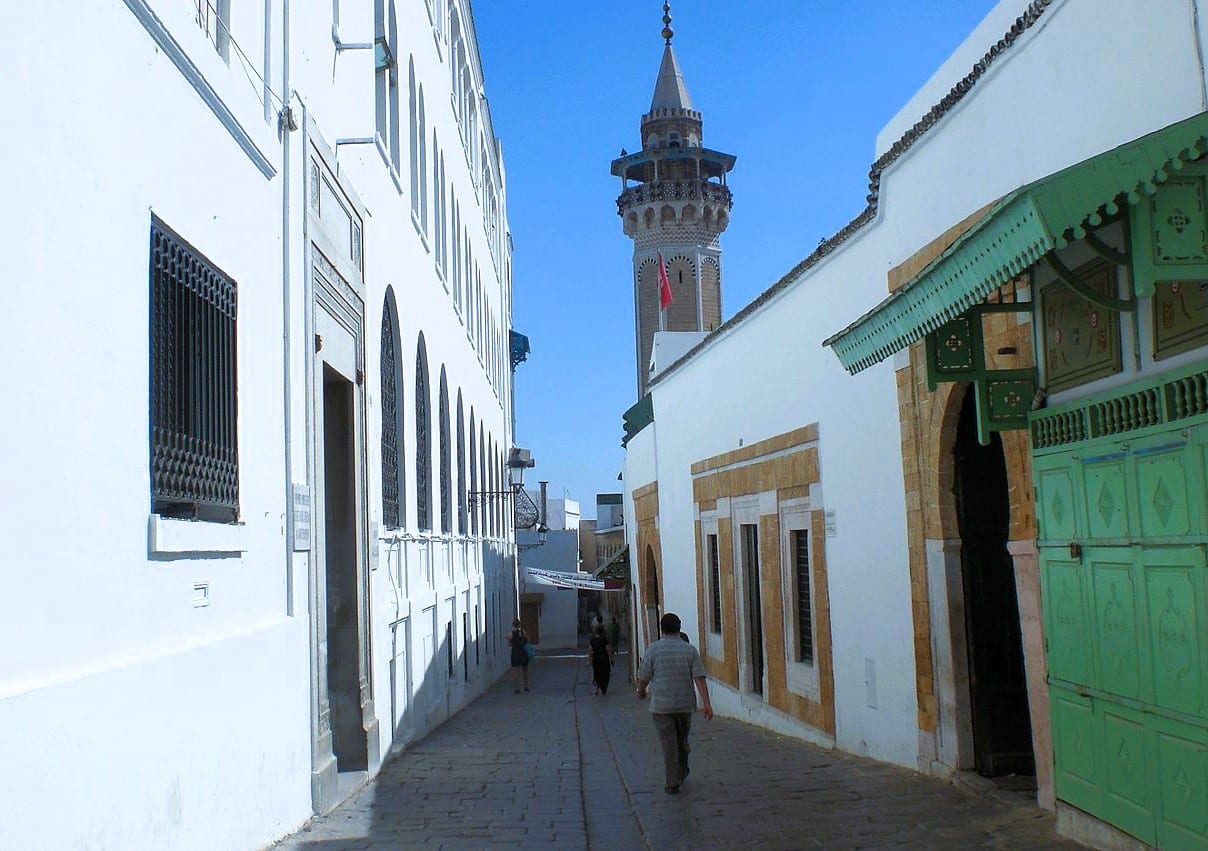
Tunisia has crossed a historic threshold in its tourism recovery, welcoming more than 11 million international visitors for the first time—a milestone that signals a strategic turning point for the North African destination and renewed confidence from global markets. Tunisia tourism generated a record USD 2.7 billion in revenue, according to data from the Central Bank.
Visitor growth in 2025 was driven by a diversified mix of source markets. European arrivals rebounded strongly, led by France, Germany, Italy, and the United Kingdom, reflecting restored air connectivity and renewed demand for Mediterranean sun-and-sea destinations.
Europe and Maghreb visitors boosting Tunisia’s tourism
Europe generated 2.6 million arrivals with over 1 million from France alone. Maghreb neighbors—particularly Algeria and Libya—again accounted for a substantial share of total arrivals. They respectively generated some 3.5 million and 2.25 million arrivals due to proximity neighboring tourism and cross-border flows. Arab markets, including Saudi Arabia, the United Arab Emirates, and Egypt, posted steady gains, while long-haul markets such as the United States and Canada recorded incremental growth tied to cultural tourism and diaspora travel.
This good performance should generate further momentum especially following the Ministry of Tourism’s official launch of preparations for “Tunis, Arab Tourism Capital 2027”. The program was unveiled at a ceremony on December 22, 2025, at Tunis Municipal Theater. The event is designed to elevate the capital’s profile across the Arab world while reinforcing Tunisia’s broader tourism strategy.
At the launch event, Tunisia Tourism minister Soufiane Tekaya said surpassing 11 million visitors validates policy choices made in recent years, including service-quality upgrades, faster digitalization, product diversification, and targeted support for high–value-added investment. “Performance today is not measured by volume alone,” he said to local media, “but by quality, competitiveness, and international positioning.”
The “Arab Tourism Capital 2027” to bring a modernized image of Tunis
Tekaya also emphasized sustainability, tourism animation, and the protection of cultural and intangible heritage, pointing to artificial intelligence as a planning and customer-experience tool that can boost efficiency while safeguarding jobs.
On investment, officials cited a stable security and institutional environment and growing interest from international hotel brands, supporting the expansion of upscale offerings aligned with global standards.
As for Tunis 2027, the minister stressed it is a unifying national project, not a symbolic title. It is built on a participatory approach to position the capital as a complete Arab destination blending history, urban modernity, and cultural energy. Ongoing investments in infrastructure, site restoration, and a vibrant arts scene are reinforcing Tunis’s role on the regional and international stage.
“The success of 2027 will depend on strong media mobilization,” Tekaya said. “With public and private efforts aligned, Tunisia will turn this milestone into a success story reaching far beyond the Arab world.”





































 ADS PRO
Global tourism exceeds 1.5 billion travelers announces UN-Tourism
Qatar Airways offers reduced timetable to over 60 destinations
WTTC global tourism reached record economic impact of 11 trillion in 2025
Marginal increase for New York City tourism in 2025
Hands In, UATP join forces for airline multi-card payments