
Two-minute guide to responsible tourism in Finland
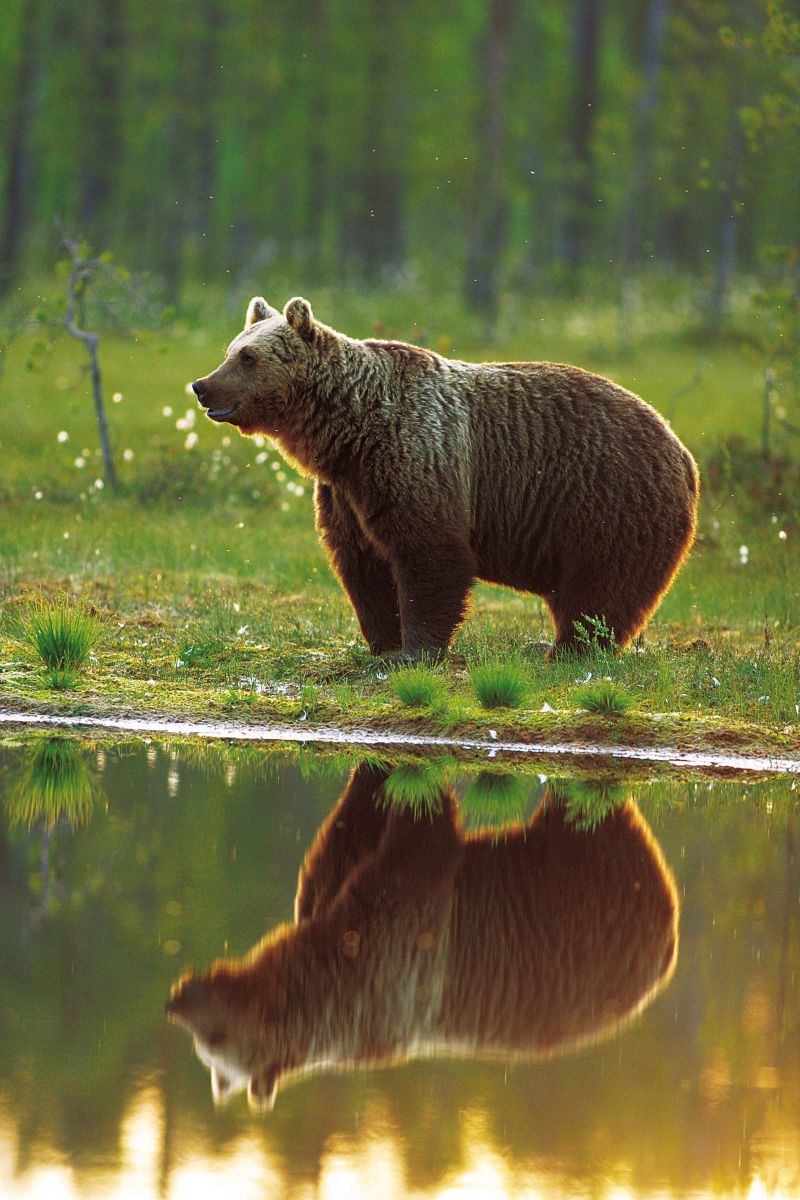
It is difficult to find any fault with Finland; connecting with nature is so culturally ingrained that it can be difficult to imagine that issues around its pristine landscapes exist. But as with any country, particularly those with disappearing cultures and fragile natural environments, tourists should be aware of the impacts their travels can have. No matter how responsible a destination may seem from the outside, it is still the traveller’s responsibility to respect and value the landscape and people, to earn the right to the local, authentic connection they seek. And in Finland, this includes learning more about the country’s long history with hunting.
With nature and wilderness a way of life, it is not surprising that hunting plays a traditional role in Finnish culture. It is a culture which believes that there is a natural, symbiotic relationship between man and land and for many people hunting forms a key part of this relationship. It is something that can be difficult to understand, particularly for responsible tourists eager to protect and preserve the natural heritage of the country they are visiting. Hunting will always be a complex, and controversial issue in somewhere like Finland, but before tourists go in guns (metaphorically-speaking) blazing it is important to know more about the context of Finnish life.
With 65% of Finland’s land and freshwater areas in private ownership, and land-owners owning and leasing the hunting rights to their property, hunting provides a huge source of income for many Finns. And although there is still some, strictly regulated, hunting for its iconic bears, it is mainly deer, moose and birds which are most sought after. Paradoxically, hunters do also have a role to play in wildlife conservation in Finland, with many acting as volunteers monitoring species numbers and ranges for conservation bodies.
Tourism, however, can help boost the arguments for gun-free zones in the future but it is a complicated issue. In traditional pagan Finnish folklore bears are sacred, yet believed to be able to reincarnate with post-hunt celebrations held to ensure the animal would find life again in the forest. However, while many Finns are starting to understand why tourists want to see bears alive and well in the wild, it is not the same for the country’s wolves. A deep fear of wolves pervades traditional Finnish society, particularly as they are known to prey on working dogs; not only sabotaging a traditional and important way of life but threatening animals which are seen as part of Finnish families. It can be difficult then, for Finns living in wolf territories to understand why tourists want to search them out on their holidays.
By supporting responsible wildlife watching tourism, choosing tour operators which support conservation initiatives, which use local guides and which allow local people to gain the full benefit of their presence, tourists can pave the way for Finland’s hides to become places to watch, rather than prey on wildlife. There are movements afoot in Finland for land-owners to turn over a percentage of their land to being hunting-free, and responsible tours will give tourists the opportunity to gain an insight into all sides of the arguments for and against hunting in Finland. Ultimately it is up to each individual tourist to assess the issues in their destination, and to make a decision as to whether they visit.
In terms of hunting in Finland, tourism could provide an alternative which fits in with the Finns deep-rooted connection to their environment. And wildlife tourism has another bonus, with spring and early summer the best time to spot the country’s iconic animals, it can help ensure income for the local guides and people who have conserved the Finnish wilderness so far, all year round.
For more information on responsible tourism issues in Finland visit http://www.responsibletravel.com/holidays/finland


Bev
Editor in chief Bev Fearis has been a travel journalist for 25 years. She started her career at Travel Weekly, where she became deputy news editor, before joining Business Traveller as deputy editor and launching the magazine’s website. She has also written travel features, news and expert comment for the Guardian, Observer, Times, Telegraph, Boundless and other consumer titles and was named one of the top 50 UK travel journalists by the Press Gazette.



















Vegas’s Billion-Dollar Secrets – What They Don’t Want Tourists to Know

Visit Florida’s New CEO Bryan Griffin Shares His Vision for State Tourism with Graham

Chicago’s Tourism Renaissance: Graham Interviews Kristin Reynolds of Choose Chicago

Graham Talks with Cassandra McCauley of MMGY NextFactor About the Latest Industry Research

Destination International’s Andreas Weissenborn: Research, Advocacy, and Destination Impact

Graham and Don Welsh Discuss the Success of Destinations International’s Annual Conference

Graham and CEO Andre Kiwitz on Ventura Travel’s UK Move and Recruitment for the Role

Brett Laiken and Graham Discuss Florida’s Tourism Momentum and Global Appeal

Graham and Elliot Ferguson on Positioning DC as a Cultural and Inclusive Global Destination

Graham Talks to Fraser Last About His England-to-Ireland Trek for Mental Health Awareness

Kathy Nelson Tells Graham About the Honour of Hosting the World Cup and Kansas City’s Future

Graham McKenzie on Sir Richie Richardson’s Dual Passion for Golf and His Homeland, Antigua







 ADS PRO
Higher departure tax and visa cost, e-arrival card: Japan unleashes the fiscal weapon against tourists
Singapore to forbid entry to undesirable travelers with new no-boarding directive
Euromonitor International unveils world’s top 100 city destinations for 2025
U.S.A. and Israel attacks on Iran impact air movements in the Gulf (Update 1.00pm CET)
Global tourism exceeds 1.5 billion travelers announces UN-Tourism