
Two-minute guide to the Galapagos
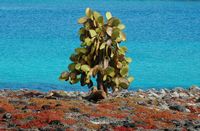
The Galagapos Islands National Park was one of the first places in the world to be given UNESCO World Heritage status in 1978, and with protection of the park such a clear priority it was a shock when this isolated group of islands, with its unique ecosystems was put on the ‘Red List’ of endangered sites in 2007.
Worryingly, uncontrolled tourism development was one of the underlying threats, and although swift action was taken and the archipelago was removed from the endangered list in 2010, it still serves as a stark reminder that tourism must tread very, very carefully here. Responsibletravel.com’s two minute guide to the Galapagos Islands suggests key tips for responsible tourism.
For such an isolated, unique ecosystem, the threat of invasive, alien species brought in by the constant influx of people and tour boats raises serious concerns. And with the archipelago’s wide array of wildlife often showing more curiosity about, than fear of humans it becomes the responsibility of tour operators and travellers alike to ensure the stick to the well-established biosecurity regulations and processes in place across the islands.
While some of these measures, such as having aircraft fumigated on arrival is out of the hands of tourists, others, such as staying within way-marked paths and never touching or feeding the animals are reliant on the behaviour of each individual visitor. The internet abounds with images of kids nose to nose with a Galapagos seal, but to protect the animals visitors should stay at least 2 metres away.
In the 1980s the Ecuadorian government invested heavily in developing nature tourism in the Galapagos, and visitor numbers increased dramatically, followed by numbers of immigrants from mainland Ecuador moving to the islands to take advantage of the influx of tourists. Most visitors packed onto what was thought at the time to be the most responsible way to see the islands – the cruise ship.
The result, the Galapagos made its way on to the UNESCO Red List of endangered sites. The boats and seas around the National Park are now strictly controlled and growing quickly now are land-based tours, tourism which could bring real benefits to local Galapagos communities. However, regulations for hotels are much less stringent, and it is up to tourists and tour operators to help support those hotels and guesthouses which are carefully mitigating their environmental impact, which are supporting local communities and leading education programmes to share knowledge about the importance and unique status of the islands.
Any visit to the Galapagos is likely to include a cruise, and while the government has intervened to restrict the size of the ships able to enter the national park, it is still important to choose a boat carefully. We firmly believe that smaller is better here. Even though a maximum of 100 passengers is small in the wider world of cruise ships, it is still a large number of people unloading onto a small, protected beach.
Only five boats are licensed access the landing points in the National Park itself and these are strictly regulated. All trips on responsibletravel.com have been screened for their commitment to responsible tourism or look out for boats certified by Rainforest Alliance.
Marine Iguana by Steven Bedard
Encouragingly, if you travel within the Galapagos Islands National Park now you are almost guaranteed to have a knowledgeable, well-trained guide, because quite simply, it’s the law. It’s the law that you have to have a guide, that they should be fully-trained and that they should be a local.
It means that tourists have the opportunity to learn more about this fragile area from the people who know it best, to understand the threats facing it and what they can do to minimise their impact.
Guides are trained in history, ecology and conservation, geology and volcanology, environmental interpretation and ethics, to name but a few. And each working guide is required to file a report within 15 days of the end of a trip, so if you do see any tourist activities you think are untoward; it can be reported in the knowledge that there is a follow-up legal procedure.
With news that baby tortoises have been discovered on Pinzon for the first time in 100 years, a result of hard work by the National Park service, conservationists and biologists, it becomes ever more important to ensure that tourism here supports and boosts conservation efforts.
For more tips and advice on how to travel responsibly within the Galapagos Islands visit http://www.responsibletravel.com/holidays/galapagos-islands.


Bev
Editor in chief Bev Fearis has been a travel journalist for 25 years. She started her career at Travel Weekly, where she became deputy news editor, before joining Business Traveller as deputy editor and launching the magazine’s website. She has also written travel features, news and expert comment for the Guardian, Observer, Times, Telegraph, Boundless and other consumer titles and was named one of the top 50 UK travel journalists by the Press Gazette.




















Vegas’s Billion-Dollar Secrets – What They Don’t Want Tourists to Know

Visit Florida’s New CEO Bryan Griffin Shares His Vision for State Tourism with Graham

Chicago’s Tourism Renaissance: Graham Interviews Kristin Reynolds of Choose Chicago

Graham Talks with Cassandra McCauley of MMGY NextFactor About the Latest Industry Research

Destination International’s Andreas Weissenborn: Research, Advocacy, and Destination Impact

Graham and Don Welsh Discuss the Success of Destinations International’s Annual Conference

Graham and CEO Andre Kiwitz on Ventura Travel’s UK Move and Recruitment for the Role

Brett Laiken and Graham Discuss Florida’s Tourism Momentum and Global Appeal

Graham and Elliot Ferguson on Positioning DC as a Cultural and Inclusive Global Destination

Graham Talks to Fraser Last About His England-to-Ireland Trek for Mental Health Awareness

Kathy Nelson Tells Graham About the Honour of Hosting the World Cup and Kansas City’s Future

Graham McKenzie on Sir Richie Richardson’s Dual Passion for Golf and His Homeland, Antigua







 ADS PRO
Global tourism exceeds 1.5 billion travelers announces UN-Tourism
Qatar Airways offers reduced timetable to over 60 destinations
WTTC global tourism reached record economic impact of 11 trillion in 2025
Hands In, UATP join forces for airline multi-card payments
Overseas travelers to the United States declined by 2.5% in 2025