
Two-minute guide to the Inca Trail
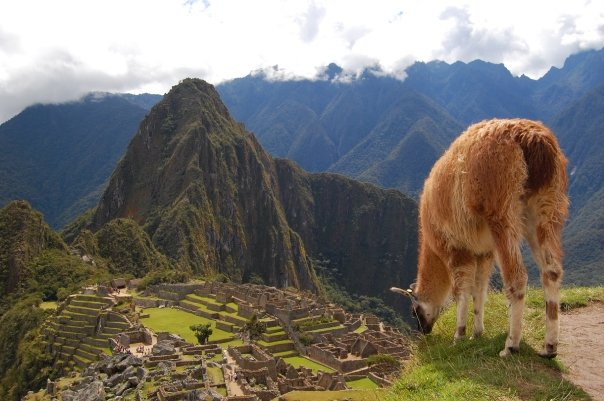
There are few travel experiences around the world which hold tourists under the same spell as trekking the Inca Trail to Machu Picchu. There are far easier ways to reach the spectacular ruins and yet thousands of people every year tackle the high altitudes, slippery stone steps and the erratic weather of this ancient route. The Inca Trail has become as much a destination as a journey, and it is the responsibility of every traveller who walks along it to ensure that their presence is of real benefit to the communities reliant on the tourists it brings. Responsibletravel.com’s two minute guide leads the way to better travel along the Inca Trail.
The Inca Trail itself isn’t wholly unprotected, quite the opposite in fact. It’s one of the very few international tourist attractions to have introduced strict visitor quotas; it was a brave move by the government to curtail the number of tourists (and potentially income) – but one which is in place to conserve the trail, and limit the environmental impact of the hordes of tourists wanting to trek each year. It also means that anyone trekking the trail is extremely privileged to do so, but when we consider that over half of these permits are given to guides, porters and support staff accompanying the groups of tourists, it also becomes very clear how important this piece of Peruvian history has become to people living in the communities in the Sacred Valley.
Although the Peruvian economy is on the up, with a third of the population classified as living in poverty compared to half at the turn of the century, things are still very tough for rural communities.
The Sacred Valley may be a trekking mecca for tourists, but people also call it home and working as a guide or porter along the Inca Trail has become part and parcel of local life. However, although porters’ rights are now protected by law in Peru, there are still many unscrupulous tourism businesses that exploit them. The minimum wage of 45 soles per day, although legal, is barely a living wage (good responsible tourism companies will pay twice or three-times this amount) and although weighing stations exist to limit porter loads to 20kg per person, many companies know how to get around the checkpoints.
It is the responsibility of each tour operator to treat their porters fairly, and of each tourist to do their research and only support organisations with clear ethical porter policies. Tourism Concern’s Ethical Trekking campaign offers a wealth of information and is a great starting point for research.
Alongside choosing a responsible trekking operator, tour operators should consider offering a homestay in their porters’ villages. An extra day before the trek in the porters’ communities not only generates more personal interaction between the porters and their trekking clients – offering tourists a chance to get beneath the skin of rural Andean life and a more enjoyable, personal trek, but it is also one of the best ways of ensuring tourists’ dollars arrive into the remote communities which need it most.
We believe that in treating local people fairly they are more likely to allow us the chance to share in their lives, and traditional Quechua hospitality ensures that tourists in the home stays are warmly welcomed.

So while the environmental impacts of tourism on the Inca Trail should not be overlooked – the principles of leave no trace, of not straying from the path, of using paraben-free detergents, limiting the use of plastic water bottles and using clean-burning fuel are of the utmost importance here – neither should we overlook the impacts our trek has on the people which call the Sacred Valley home. More information on how to trek the Inca Trail responsibly can be found at: http://www.responsibletravel.com/holidays/inca-trail-trek


Linsey McNeill
Editor Linsey McNeill has been writing about travel for more than three decades. Bylines include The Times, Telegraph, Observer, Guardian and Which? plus the South China Morning Post. She also shares insider tips on thetraveljournalist.co.uk





















Vegas’s Billion-Dollar Secrets – What They Don’t Want Tourists to Know

Visit Florida’s New CEO Bryan Griffin Shares His Vision for State Tourism with Graham

Chicago’s Tourism Renaissance: Graham Interviews Kristin Reynolds of Choose Chicago

Graham Talks with Cassandra McCauley of MMGY NextFactor About the Latest Industry Research

Destination International’s Andreas Weissenborn: Research, Advocacy, and Destination Impact

Graham and Don Welsh Discuss the Success of Destinations International’s Annual Conference

Graham and CEO Andre Kiwitz on Ventura Travel’s UK Move and Recruitment for the Role

Brett Laiken and Graham Discuss Florida’s Tourism Momentum and Global Appeal

Graham and Elliot Ferguson on Positioning DC as a Cultural and Inclusive Global Destination

Graham Talks to Fraser Last About His England-to-Ireland Trek for Mental Health Awareness

Kathy Nelson Tells Graham About the Honour of Hosting the World Cup and Kansas City’s Future

Graham McKenzie on Sir Richie Richardson’s Dual Passion for Golf and His Homeland, Antigua







 ADS PRO
Higher departure tax and visa cost, e-arrival card: Japan unleashes the fiscal weapon against tourists
Singapore to forbid entry to undesirable travelers with new no-boarding directive
Euromonitor International unveils world’s top 100 city destinations for 2025
U.S.A. and Israel attacks on Iran impact air movements in the Gulf (Update 1.00pm CET)
Global tourism exceeds 1.5 billion travelers announces UN-Tourism