
As Airbus has triggered a global alert requiring urgent software work on A320-family flight-control systems, many airlines went to ground affected aircraft as they arrive at maintenance bases for mandatory updates.
However, the consequences vary from one continent to another, from one airline to another. In Europe, short-haul networks are the ones mostly affected by the halt, as narrow-body Airbus jet dominates fleets and airlines squeeze daily aircraft use to the limit.
Across the continent, Germany’s Lufthansa has reported a small wave of cancellations and delays. The carrier began implementing the measures mandated by Airbus in the evening. A large part of the software updates could already be carried out on Friday night as well as on Saturday morning, a spokesperson announced. “There are not expected to be any flight cancellations at the airlines of the Lufthansa Group due to the situation, but isolated delays over the weekend cannot be ruled out,” the spokesperson promised.
Air France already scrapped 35 flights to push the update through grounded aircraft at its engineering hubs. The French carrier announced however that its schedule were back to normal on Saturday afternoon with only a few delays recorded.
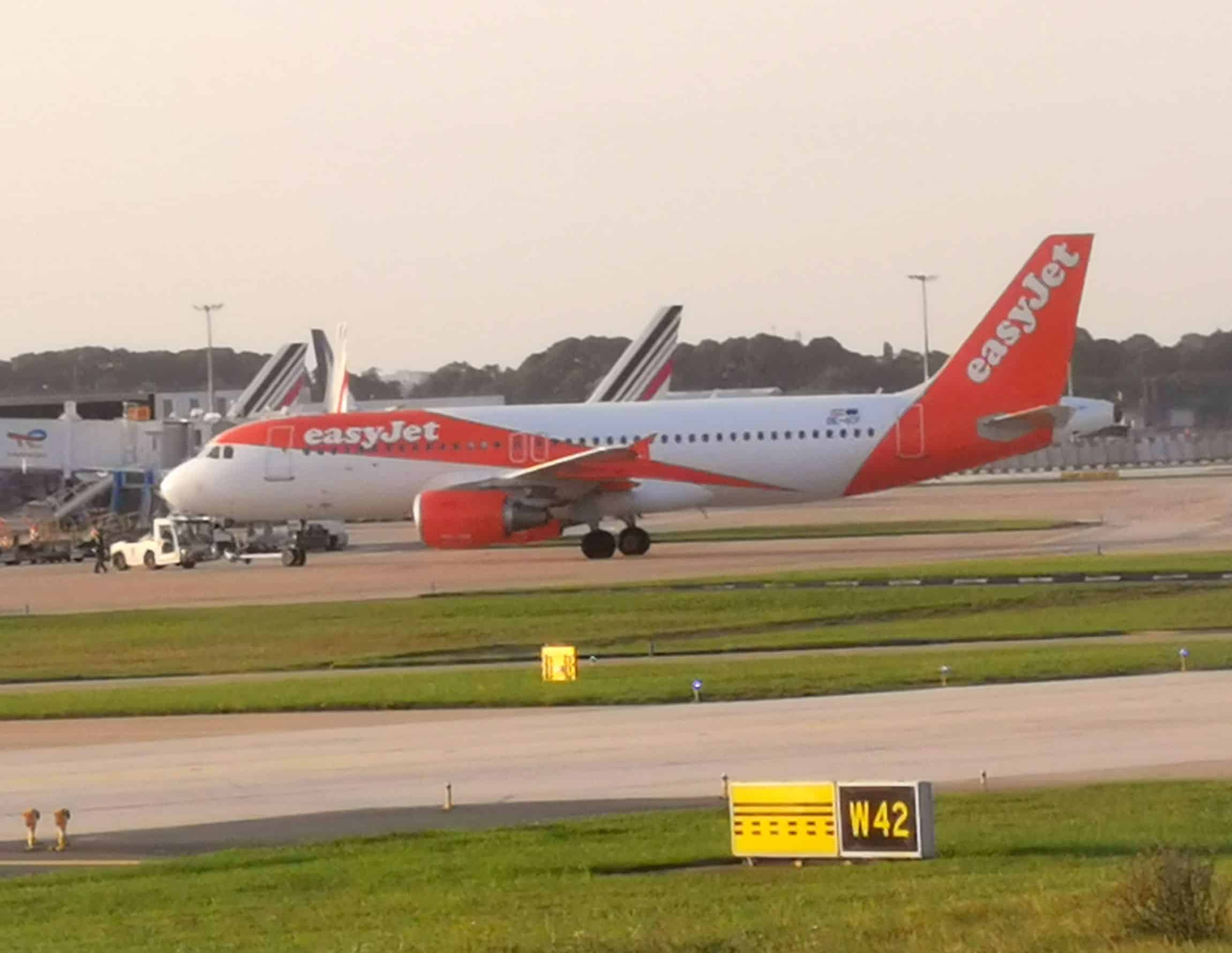
Wizz Air, a heavy A320 user across central and eastern Europe, said its operations are running as normal, having rolled out updates overnight. EasyJet, one of Europe’s largest operators of the A320, maintains that a significant portion of its fleet has already been updated and expects to run a largely normal schedule. British Airways says only three of its short-haul A320 aircraft were affected and predicts minimal disruption.
The European aviation safety regulator, EASA, has backed Airbus’s directive, emphasizing that operators must prioritize the software update at maintenance arrival points to protect flight-control data integrity.
While airlines underline that safety is non-negotiable, analysts caution that even brief groundings can destabilize synchronized European timetables, where high A320 utilization leaves little operational buffer. The uneven but persistent fallout could impact tens of thousands of passengers over the coming 10 days, fueling concern about further knock-on chaos as Europe accelerates toward the peak Christmas travel period.
Asia struggles most while North America is the least affected
Outside Europe, Asian carriers -particularly in Southeast Asia- have been most affected.
Carriers such as AirAsia, Vietjet but also Philippine Airlines operate a large fleet of Airbus A320. AirAsia Group indicated to prioritize the timely implementation of the rollback and will adjust flight operations accordingly.
Bo Lingam, Group CEO of AirAsia Aviation Group said: “We are taking immediate steps to comply with the Airworthiness Directive and aim to complete the process within the next 48 hours, while ensuring minimal disruption to our guests.”
IndiGo in India is among the biggest A320-family users worldwide — reportedly around 195 A320s with large numbers of both older (CEO) and newer (NEO) variants. The airline indicated that many of those jets required updares.
Finally, North America is the least affected by the A320 issue. American Airlines, which has the largest A320-family fleet with 480 units, revised overnight its aircraft. On Saturday, it still had 209 aircraft remaining affected but expects most of its planes to be updated overnight.
Air Canada and Delta Air Lines told their customer to be minimally disrupted by the software update.







































 ADS PRO
Global tourism exceeds 1.5 billion travelers announces UN-Tourism
Qatar Airways offers reduced timetable to over 60 destinations
WTTC global tourism reached record economic impact of 11 trillion in 2025
Marginal increase for New York City tourism in 2025
Hands In, UATP join forces for airline multi-card payments