
BA-owner sees profits soar
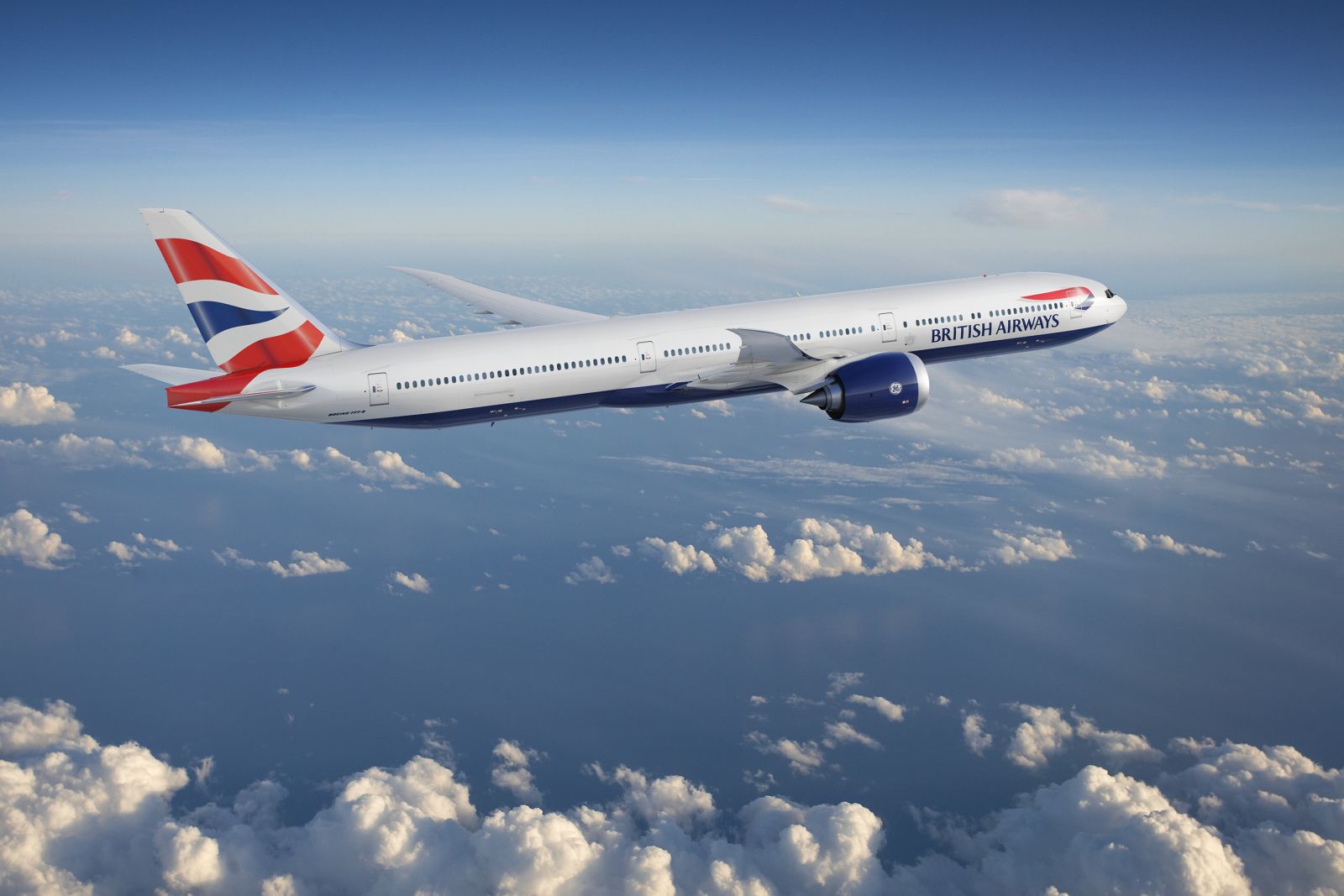
British Airways’ parent IAG saw a 9.5% increase in operating profit to €3.2 billion last year, despite an 8% rise in fuel costs for the year and a €9 million foreign exchange hit in the fourth quarter.
The group’s post-tax profit was €2.5 billion, up more than 11% on the previous year.
However, chief executive Willie Walsh said that if fuel prices and exchange rates remained the same, operating profit would be flat this year.
He added: "In 2018, we’re reporting an operating profit of €3,230 million before exceptional items, up 9.5 per cent compared to last year.
"Yet again, we’ve improved our operating profit this year and our adjusted earnings per share grew by 15.1 per cent. This was a very good performance despite three significant challenges: fuel prices increasing 30 per cent, considerable Air Traffic Control disruption and an adverse foreign exchange impact of €129 million.
"At constant currency, passenger unit revenue improved by 2.4 per cent while non-fuel unit costs decreased by 0.8 per cent on capacity growth of 6.1 per cent.
"In quarter 4, we reported an operating profit of €655 million before exceptional items, up 19.1 per cent compared to last year. Our strong revenue performance continued with passenger unit revenue up 1.5 per cent at constant currency.
"In 2018, we completed our second share buyback which was worth €500 million. We are also returning more than €1.3 billion to our shareholders via ordinary dividends of €615 million and a special dividend of approximately €700 million. This is around €260 million higher than in the previous year."
British Airways’ operating profit was £1.9 billion, excluding exceptional items, up £203 million over the prior year on a capacity increase of 2.5 per cent.
On announcing its 2018 results, IAG revealed BA has ordered 18 Boeing 777-9 aircraft to replace 14 747-400s and four 777-200 between 2022 and 2025.
It also has options for a further 24 777-9s. Each aircraft will be fitted with 325 seats in four cabins. Walsh added: "The new B777-9 is the world’s most fuel efficient long-haul aircraft and will bring many benefits to British Airways’ fleet. It’s the ideal replacement for the Boeing 747 and its size and range will be an excellent fit for the airline’s existing network.
"This aircraft will provide further cost efficiencies and environmental benefits with fuel cost per seat improvements of 30 per cent compared to the Boeing 747. It also provides an enhanced passenger experience."


Linsey McNeill
Editor Linsey McNeill has been writing about travel for more than three decades. Bylines include The Times, Telegraph, Observer, Guardian and Which? plus the South China Morning Post. She also shares insider tips on thetraveljournalist.co.uk





















Vegas’s Billion-Dollar Secrets – What They Don’t Want Tourists to Know

Visit Florida’s New CEO Bryan Griffin Shares His Vision for State Tourism with Graham

Chicago’s Tourism Renaissance: Graham Interviews Kristin Reynolds of Choose Chicago

Graham Talks with Cassandra McCauley of MMGY NextFactor About the Latest Industry Research

Destination International’s Andreas Weissenborn: Research, Advocacy, and Destination Impact

Graham and Don Welsh Discuss the Success of Destinations International’s Annual Conference

Graham and CEO Andre Kiwitz on Ventura Travel’s UK Move and Recruitment for the Role

Brett Laiken and Graham Discuss Florida’s Tourism Momentum and Global Appeal

Graham and Elliot Ferguson on Positioning DC as a Cultural and Inclusive Global Destination

Graham Talks to Fraser Last About His England-to-Ireland Trek for Mental Health Awareness

Kathy Nelson Tells Graham About the Honour of Hosting the World Cup and Kansas City’s Future

Graham McKenzie on Sir Richie Richardson’s Dual Passion for Golf and His Homeland, Antigua







 ADS PRO
Global tourism exceeds 1.5 billion travelers announces UN-Tourism
Qatar Airways offers reduced timetable to over 60 destinations
WTTC global tourism reached record economic impact of 11 trillion in 2025
Hands In, UATP join forces for airline multi-card payments
Suspension of all regional trains in Catalonia following two new rail accidents in Spain