
New EU rules widen the possible suspension of visa-free travel for third countries
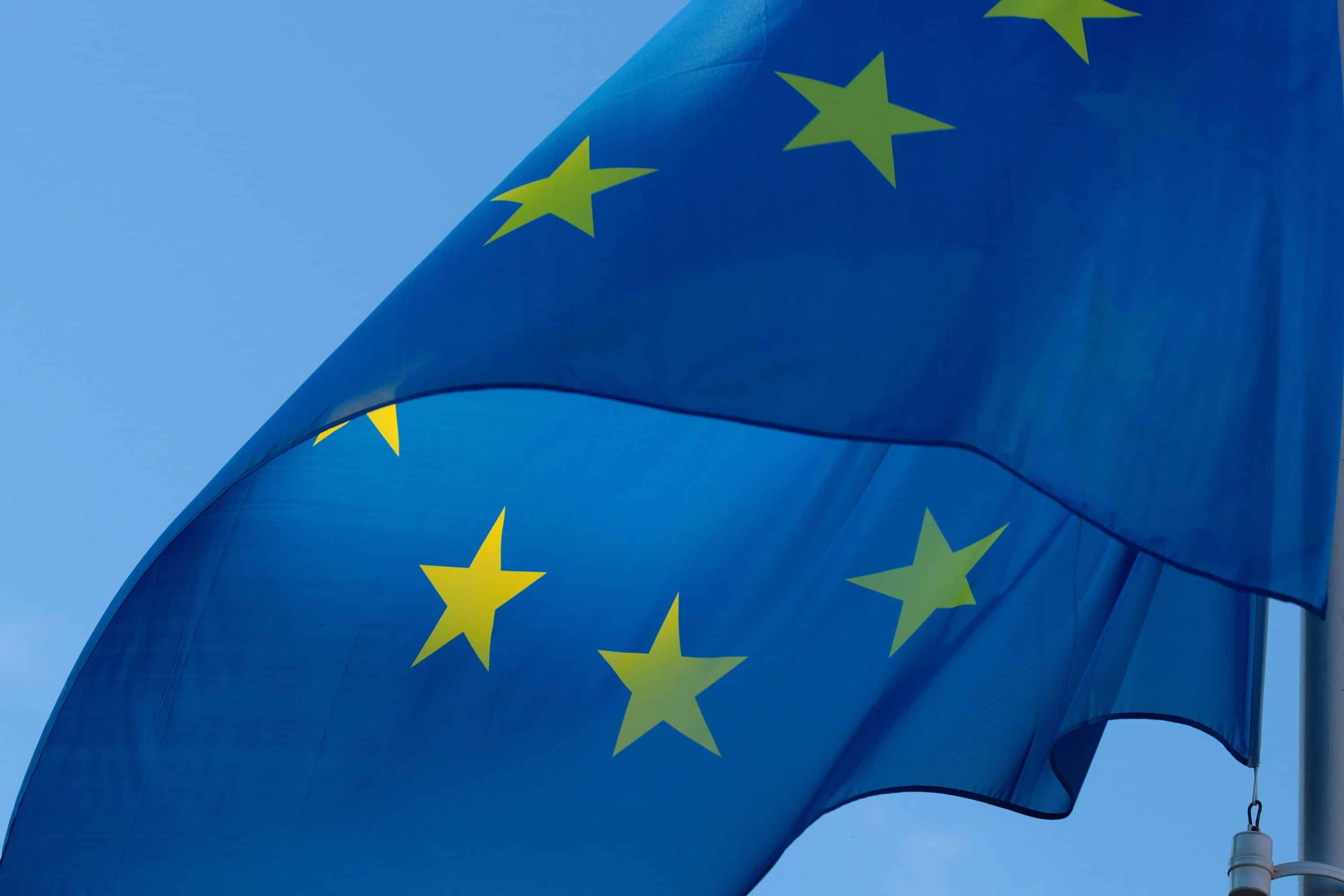
The European Council is tightening the monitoring of travelers coming to the European Union. On November 17, 2025, the Council gave its final go ahead for an update of the EU’s mechanism to suspend visa-free travel for citizens of third countries who do not require a visa when traveling to the Schengen area.
The amended rules will allow the EU to react quicker and more vigorously to situations where visa-free travel is being abused or works against its interests.
There will be new grounds for triggering the suspension mechanism. When the new amendments enter into force, the EU will be able to revoke a country’s visa-free status if this third country lacks alignment with EU’s visa policy.
Furthermore, when a country runs an investor citizenship scheme whereby citizenship is granted to people who have no genuine link to the third country concerned the EU can stop the visa exemption of this country. The same will be the case when the EU’s relations with a country deteriorate, for instance in the event of human rights violations.
Georgia, the first country on the list ?
Under monitoring, experts name countries the Western Balkan region. As an example, the latest assessment of the European Commission Report on Serbia‘s potential accession to the EU flags concerns of limited progress in the fight against organised crime.
However, the country which faces the highest risk of suspension is Georgia. Tbilisi increasingly turns it back to the EU and goes nearer to Russia. An end to visa-free travel is looming as recent legislation in Georgia is modeled after its former Soviet masters (anti-LGBTQ law and Foreign Agents Registration Act law). Since January, the Commission already suspended visa-free travel for Georgia’s diplomatic passport holders.
Eastern Caribbean countries such as Antigua and Barbuda, Dominica, Grenada, Saint Kitts and Nevis, and Saint Lucia with their lax investments conditions and investor-citizenship schemes are also under monitoring.
The regulation also makes it easier to trigger the suspension mechanism. For instance a threshold of 30% – instead of the previous threshold of 50% – quantifies substantial increases of cases of refused entry and overstay, asylum applications and serious criminal offences.
Longer suspension periods
The duration of the initial suspension of the visa exemption will increase to 12 months (from 9 months currently). This initial period can be extended by a further 24 months (instead of 18 months now). This longer temporary suspension phase will allow the EU to engage with the third country in question to remedy the circumstances that led to the suspension (before the visa-free regime can be permanently revoked).
The new mechanism also foresees a targeted approach to ending the visa exemption. Whereas currently all citizens of a country are affected by the suspension of the visa-free regime when the initial period is being extended, under the new rules the additional 24-month suspension phase would not automatically affect the entire population. Instead, the EU could decide to (continue) targeting government officials and diplomats. The new regulation should be adopted before the end of the year.
Related News Stories: EU lifts partially the ban of over 100ml liquid limit at airport's security Germany new European Entry/Exit System limited to a single airport ... Easier access to Schengen multiple-entry visas for Indonesians Travel eSIMs to rewrite the roaming playbook according to CCS Insight EU Court rules lost pets count as luggage in air travel Japan overhauls travel rules to protect heritage against over-tourism Chile edicts new stricter safety rules for adventure tourism agencies Thailand revamps hotel laws amid political and Cambodia-related ... Edinburgh Airport drops 100ml liquid rule Singapore Airlines bans use of power banks


newadmin


















Vegas’s Billion-Dollar Secrets – What They Don’t Want Tourists to Know

Visit Florida’s New CEO Bryan Griffin Shares His Vision for State Tourism with Graham

Chicago’s Tourism Renaissance: Graham Interviews Kristin Reynolds of Choose Chicago

Graham Talks with Cassandra McCauley of MMGY NextFactor About the Latest Industry Research

Destination International’s Andreas Weissenborn: Research, Advocacy, and Destination Impact

Graham and Don Welsh Discuss the Success of Destinations International’s Annual Conference

Graham and CEO Andre Kiwitz on Ventura Travel’s UK Move and Recruitment for the Role

Brett Laiken and Graham Discuss Florida’s Tourism Momentum and Global Appeal

Graham and Elliot Ferguson on Positioning DC as a Cultural and Inclusive Global Destination

Graham Talks to Fraser Last About His England-to-Ireland Trek for Mental Health Awareness

Kathy Nelson Tells Graham About the Honour of Hosting the World Cup and Kansas City’s Future

Graham McKenzie on Sir Richie Richardson’s Dual Passion for Golf and His Homeland, Antigua







 ADS PRO
Higher departure tax and visa cost, e-arrival card: Japan unleashes the fiscal weapon against tourists
Singapore to forbid entry to undesirable travelers with new no-boarding directive
Euromonitor International unveils world’s top 100 city destinations for 2025
U.S.A. and Israel attacks on Iran impact air movements in the Gulf (Update 1.00pm CET)
Global tourism exceeds 1.5 billion travelers announces UN-Tourism