
Florence bans outdoor dining and terraces in its historical core
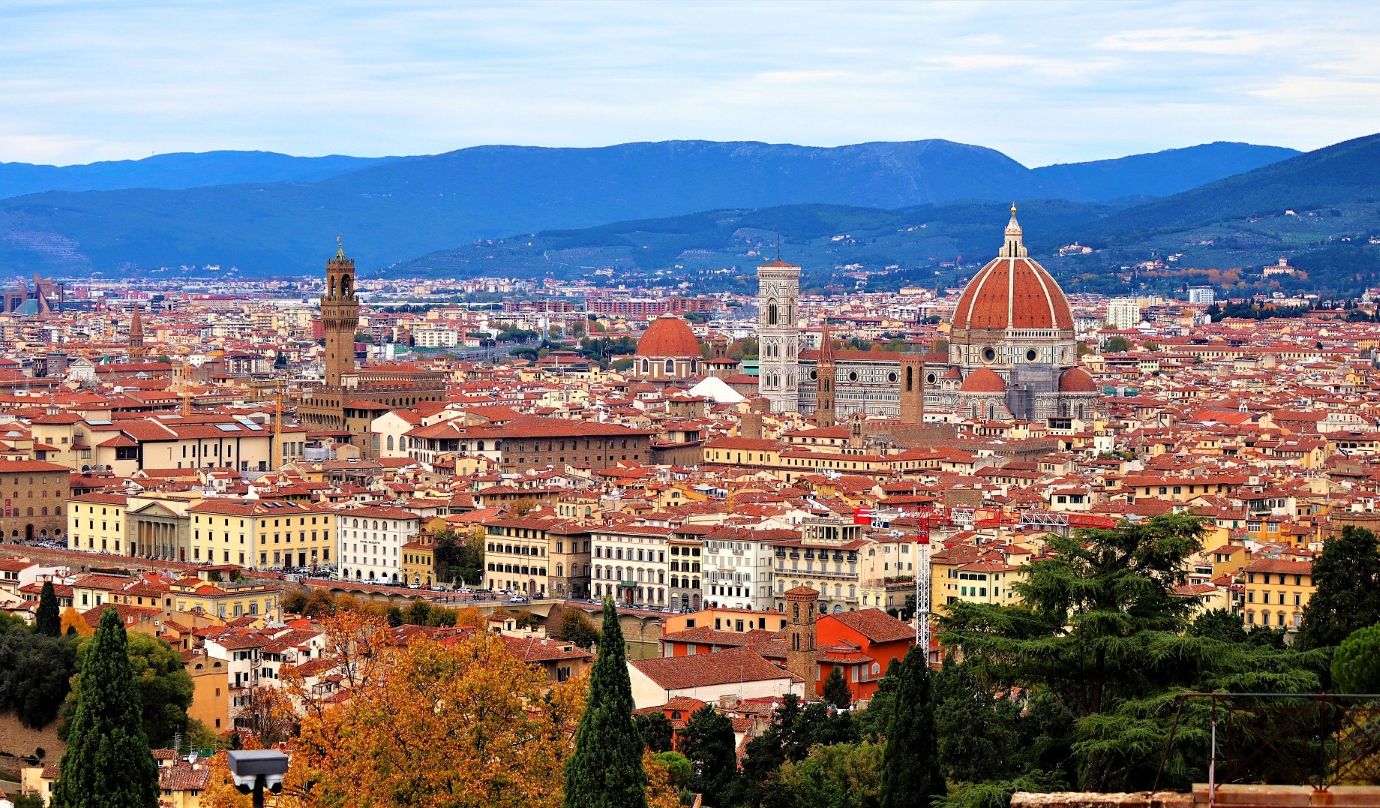
Florence in Tuscany is moving to sharply curtail outdoor dining across large parts of its historic center. The measure is marking one of the city’s most significant efforts yet to rein in the impact of mass tourism and restore public space to residents.
Under new regulations approved by the Municipality of Florence in coordination with Italy’s cultural heritage authorities at the end of last year, outdoor dining structures will be banned on around 50 streets within the UNESCO-listed historic core. The affected areas are mainly narrow, high-traffic streets where tables, chairs, umbrellas and barriers have increasingly clogged pedestrian routes and obscured views of historic buildings.
In addition to the outright ban, stricter limitations will apply to more than 70 other locations, where restaurants may still be allowed outdoor seating but with tighter controls on size, layout and the use of coverings or fixed structures. The goal, city officials say, is not to eliminate outdoor dining entirely but to restore balance in areas that have become overwhelmed.
The measures are scheduled to take effect in early 2026, although the city has not yet announced a precise start date. A transition period has been built in to allow businesses time to adapt. Existing permits for outdoor dining structures must be reviewed or renewed under the new rules by mid-March 2026, effectively setting a practical deadline for compliance.
Florence’s city hall says the decision responds to long-standing complaints from residents who argue that some streets have turned into “open-air dining corridors,” making daily life difficult and eroding the character of the historic center. Officials also point to the need to safeguard Florence’s architectural heritage and ensure unobstructed views of iconic landmarks.
The ban will not apply uniformly across the city. Wider streets and larger piazzas, as well as areas outside the historic core, are expected to retain some form of outdoor dining, albeit under more carefully defined rules. Major squares such as Piazza della Signoria and Santa Maria Novella are subject to tailored regulations rather than a total prohibition.
Reaction has been mixed. Heritage advocates and resident groups have welcomed the move as overdue, while many restaurant owners warn it could hurt revenues, particularly during peak tourist seasons when outdoor tables are most profitable.
It is indeed estimated that Florence has at at least 1,300 restaurants within its boundaries while Greater Florence -which includes surrounding cities- would have around 2,405 restaurant businesses as of late 2025.
Florence’s decision is another example of a broader trend among Europe’s most visited cities, which are increasingly tightening regulations to manage overtourism. From January to October 2025, Florence accommodated over 4 million arrivals and 9.7 million overnight stays by October


newadmin





















Vegas’s Billion-Dollar Secrets – What They Don’t Want Tourists to Know

Visit Florida’s New CEO Bryan Griffin Shares His Vision for State Tourism with Graham

Chicago’s Tourism Renaissance: Graham Interviews Kristin Reynolds of Choose Chicago

Graham Talks with Cassandra McCauley of MMGY NextFactor About the Latest Industry Research

Destination International’s Andreas Weissenborn: Research, Advocacy, and Destination Impact

Graham and Don Welsh Discuss the Success of Destinations International’s Annual Conference

Graham and CEO Andre Kiwitz on Ventura Travel’s UK Move and Recruitment for the Role

Brett Laiken and Graham Discuss Florida’s Tourism Momentum and Global Appeal

Graham and Elliot Ferguson on Positioning DC as a Cultural and Inclusive Global Destination

Graham Talks to Fraser Last About His England-to-Ireland Trek for Mental Health Awareness

Kathy Nelson Tells Graham About the Honour of Hosting the World Cup and Kansas City’s Future

Graham McKenzie on Sir Richie Richardson’s Dual Passion for Golf and His Homeland, Antigua







 ADS PRO
Global tourism exceeds 1.5 billion travelers announces UN-Tourism
Qatar Airways offers reduced timetable to over 60 destinations
WTTC global tourism reached record economic impact of 11 trillion in 2025
Marginal increase for New York City tourism in 2025
Hands In, UATP join forces for airline multi-card payments