Lufthansa boss threatens German government over high taxes
Lufthansa Airlines CEO Jens Ritter is turning up the pressure on the federal government after promised relief for the aviation sector failed to materialize in the future federal budget. “It’s very disappointing that the government’s 2026 draft budget offers no tax or fee relief for flights departing Germany,” told Ritter in an exclusive interview with the daily Berliner Morgenpost.
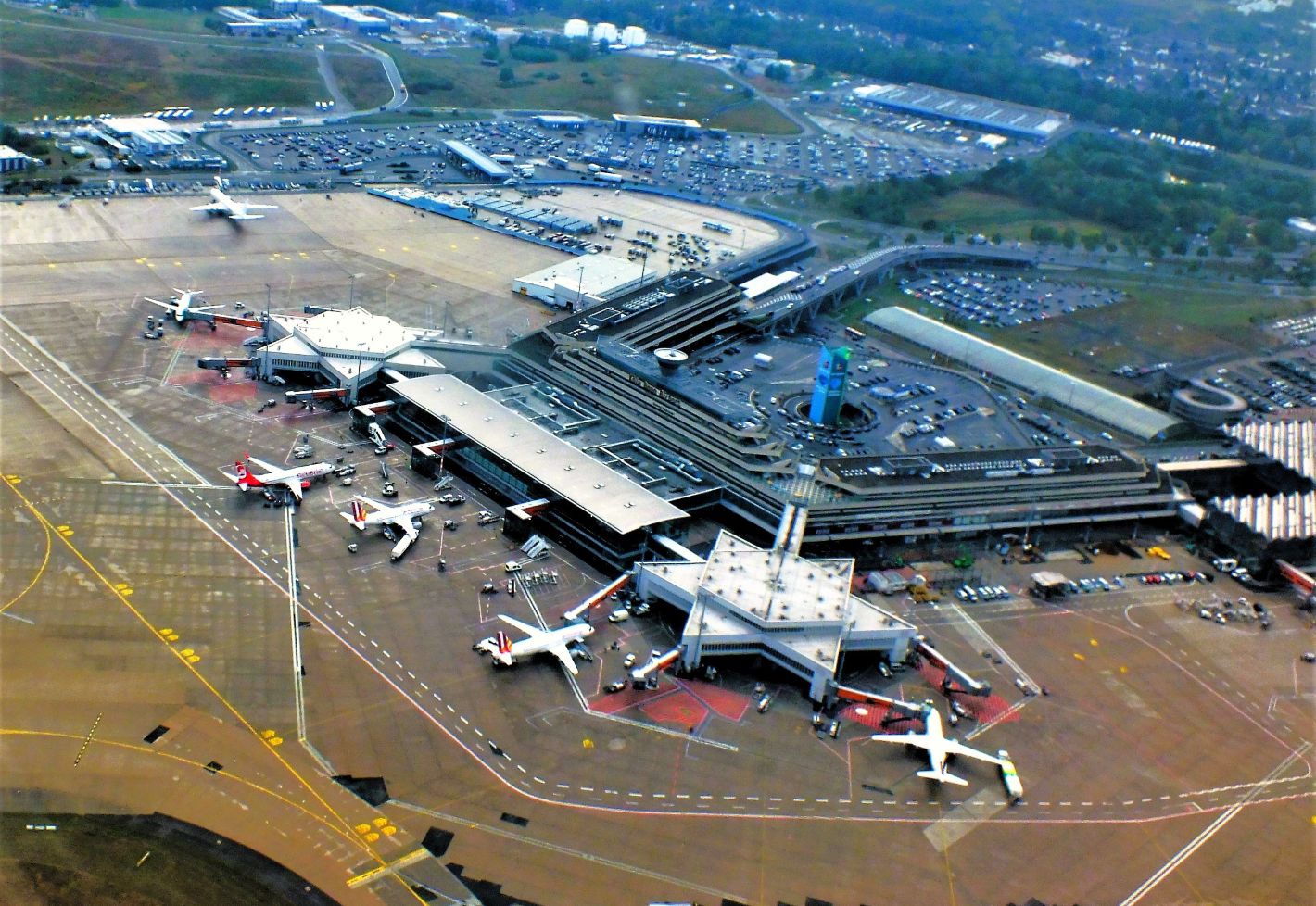
Ritter warned that Lufthansa may pull aircraft from German airports if routes become unprofitable. “If connections stop making economic sense, we’ll have to cut them and deploy those planes elsewhere,” he said, listing Bremen, Dresden, Cologne/Bonn, Leipzig, Münster, Nuremberg, and Stuttgart among the airports under review. Many of these facilities -particularly small regional airports- are already under financial strain.
The governing coalition of CDU, CSU, and SPD had pledged to make Germany a more competitive aviation hub. In their governing coalition agreement, the partners even promised to roll back an increase in the national air-travel tax. Instead, airlines say costs are climbing sharply. Lufthansa reports that takeoff and landing fees have risen 40% since January, while air-traffic control charges are up 25%.
The German Airline Association (BDF) says state-mandated airport costs per departure have jumped as much as 128% since 2019. Stuttgart is now the priciest: a 150-seat flight to another EU country faces €5,109 in government charges. Frankfurt follows at €4,847 (up 83% since 2019) and Berlin Brandenburg at €4,238 (up 92%). By contrast, airlines pay just €524 per flight in Istanbul and €687 in Madrid. Even Brussels, another Lufthansa Group hub, is far cheaper at €1,892.
To the Berliner Morgenpost, Ritter calls the situation “dramatic.” He warned that major German business centers risk losing vital international links. And urged the government to act quickly: “Costs for air-traffic control and security must come down, with more state support. And the air-travel tax should be reduced.”
Federal tourism coordinator Christoph Ploß of the CDU backed Ritter’s plea. “Germany must remain attractive as an aviation location,” he said. “If airlines move flights to neighboring countries because Germany is too expensive, we need to respond—specifically by cutting the air-travel tax, as stated in the coalition agreement.”
Rolling back last year’s air-travel tax hike would cost the federal government about €300 million annually. Additional relief could include covering basic air-traffic control costs (another €300 million) and paying for passenger security checks (about €1 billion a year) highlighted the newspaper. Lufthansa warns that without action, foreign hubs will lure more traffic, jeopardizing Frankfurt and Munich. Germany national carrier says the number of its feeder flights to the country’s main hubs has already fallen by half since 2019.
Have your say Cancel reply
Subscribe/Login to Travel Mole Newsletter
Travel Mole Newsletter is a subscriber only travel trade news publication. If you are receiving this message, simply enter your email address to sign in or register if you are not. In order to display the B2B travel content that meets your business needs, we need to know who are and what are your business needs. ITR is free to our subscribers.


France prepares for a massive strike across all transports on September 18
Turkish tourism stalls due to soaring prices for accommodation and food
CCS Insight: eSIMs ready to take the travel world by storm
Germany new European Entry/Exit System limited to a single airport on October 12, 2025
Airlines suspend Madagascar services following unrest and army revolt