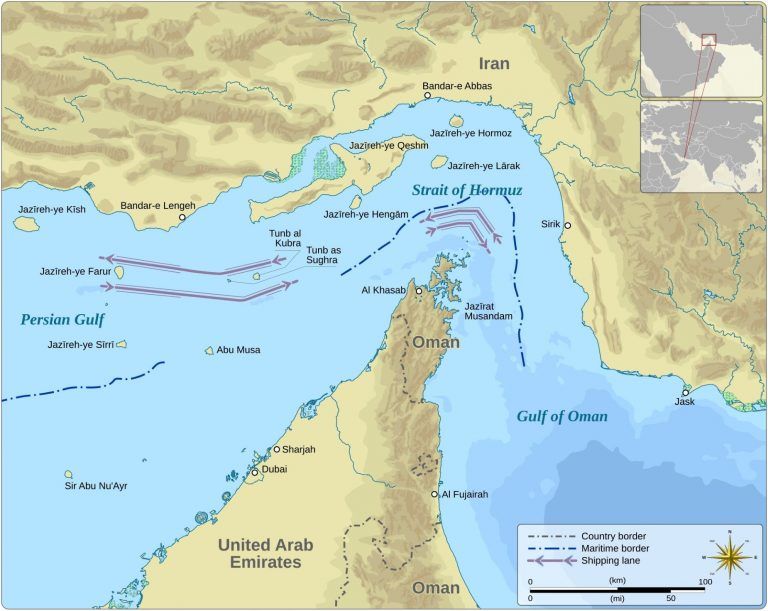
The reopening of the Strait of Hormuz, announced on Friday, April 17, 2026 by the Iran Ministry of Foreign Affairs, brought immediate relief to stock exchanges and global aviation markets.
But the euphoria was short-lived. Less than 24 hours later, Iran’s Revolutionary Guards once again closed the Strait of Hormuz. Since then, the situation has even worsened.
Nevertheless, will the reopening of this vital trade route have an immediate impact on global oil supply? The recovery for air transport is proving far from instantaneous.
Oil prices reacted quickly to the news. On Friday afternoon, crude prices dropped by around 10% to roughly US$90 a barrel. After weeks of volatility, if stability holds, this will give airlines a much-needed financial breather.
Lower fuel costs typically translate into improved margins and, eventually, more stable fares. For an industry heavily exposed to jet fuel price swings, the reopening is a clear positive signal.
However, the operational reality is more complex. Asian and European aviation in particular remain vulnerable, as a significant share of jet fuel supply is sourced from the Gulf. During the disruption, supply chains were stretched, inventories depleted, and airlines were forced to cut capacity, delay flights, or in some cases cancel services altogether.
These effects do not disappear overnight. Even with maritime traffic resuming through Hormuz, it will take time for tankers to reach refineries, for fuel to be processed, and for stocks to be replenished at major airport hubs. Industry observers suggest the supply chain could take several weeks, if not months, to fully normalize.
In the meantime, airlines are expected to continue operating cautiously. Capacity is likely to remain constrained on some long-haul routes, while carriers prioritize high-demand and higher-yield services. Fuel surcharges introduced during the crisis may also linger in the short term despite easing oil prices.
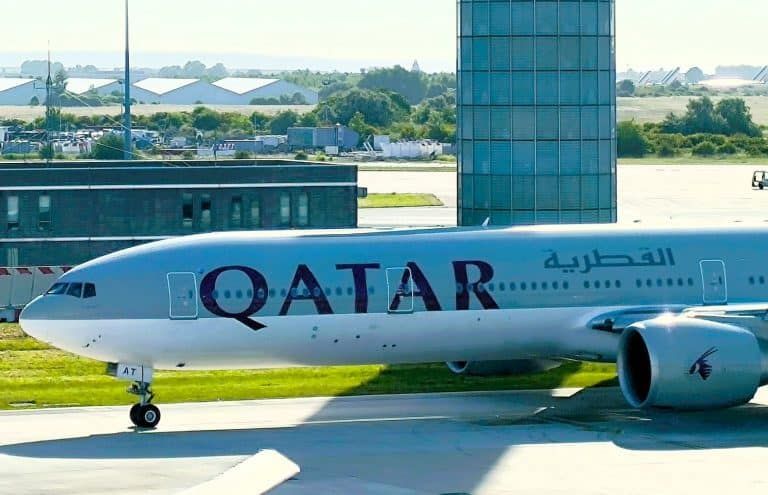
There is some good news for passengers. With the ceasefire -due to expire on April 21, major Gulf carriers feel more confident to gradually restore capacity with the resumption of flights.
Routes’ reinstatement should help stabilize fares during the peak summer season – but certainly not at levels experienced before the start of the war- between Europe and Asia as well as between Europe and Africa.
In the near term, travelers may still face higher ticket prices—though not as elevated as in late March—alongside limited availability on some routes. A gradual return to normality will definitely be back, once Iran and the USA find a lasting agreement.For now, that still seems a long way off…
(Updated on April 20, from a previous version written on April 17, 2026)