
Strait of Hormuz reopens with expected improvement for fuel supply
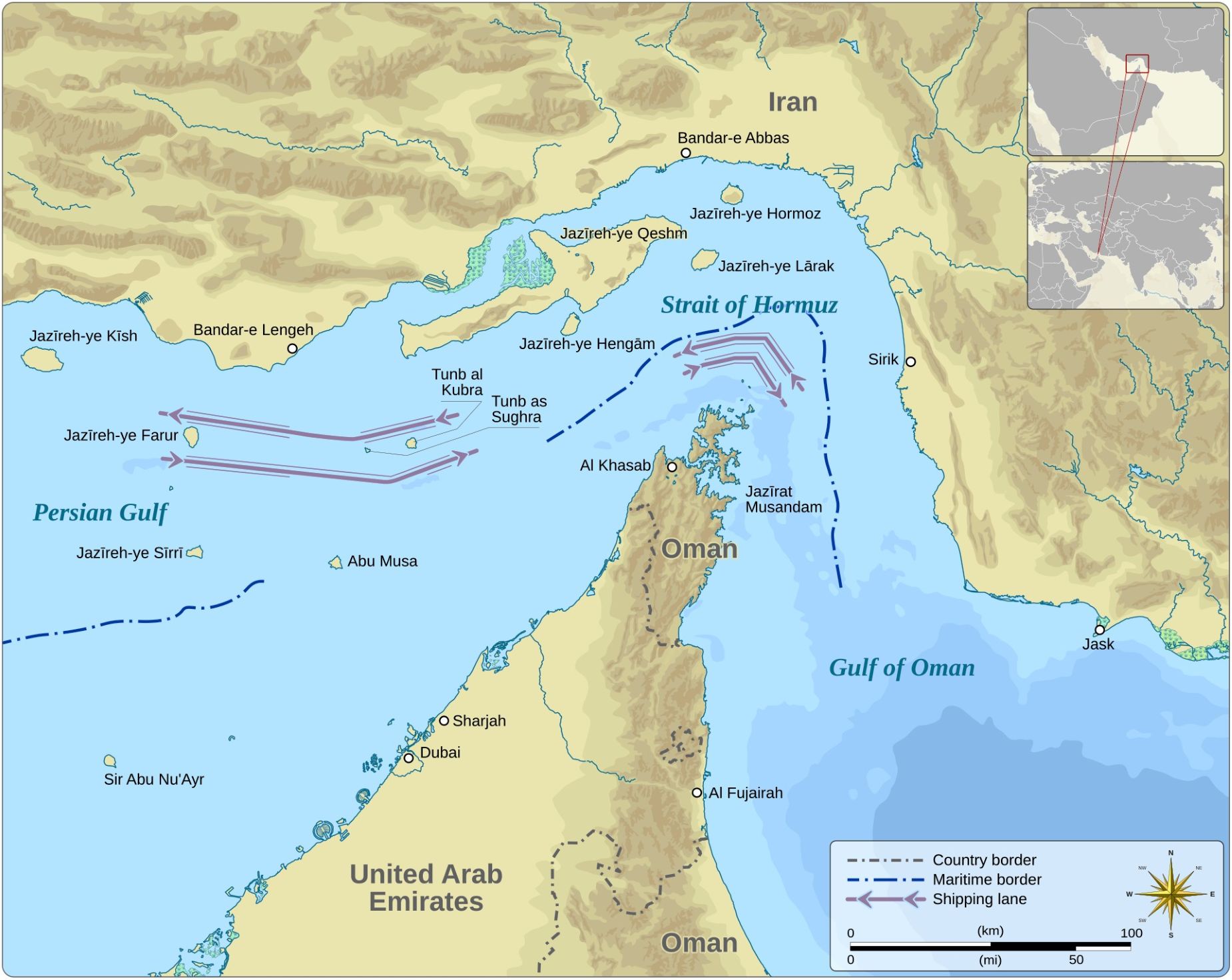
The reopening of the Strait of Hormuz, announced on Friday, April 17, 2026 by the Iran Ministry of Foreign Affairs, brought immediate relief to stock exchanges and global aviation markets. However, the recovery for air transport is proving far from instantaneous.
Oil prices reacted quickly to the news. On Friday afternoon, crude prices dropped by around 10% to roughly US$90 a barrel. After weeks of volatility, if stability holds, this will give airlines a much-needed financial breather.
Lower fuel costs typically translate into improved margins and, eventually, more stable fares. For an industry heavily exposed to jet fuel price swings, the reopening is a clear positive signal.
However, the operational reality is more complex. Asian and European aviation in particular remain vulnerable, as a significant share of jet fuel supply is sourced from the Gulf. During the disruption, supply chains were stretched, inventories depleted, and airlines were forced to cut capacity, delay flights, or in some cases cancel services altogether.
These effects do not disappear overnight. Even with maritime traffic resuming through Hormuz, it will take time for tankers to reach refineries, for fuel to be processed, and for stocks to be replenished at major airport hubs. Industry observers suggest the supply chain could take several weeks, if not months, to fully normalize.
In the meantime, airlines are expected to continue operating cautiously. Capacity is likely to remain constrained on some long-haul routes, while carriers prioritize high-demand and higher-yield services. Fuel surcharges introduced during the crisis may also linger in the short term despite easing oil prices.
There is some good news for passengers. Following Iran’s acceptance of a ceasefire and the reopening of Hormuz, major Gulf carriers feel more confident to gradually restore capacity as flights resume.
The reopening reduces the risk of widespread disruption during the peak summer season and should help stabilize fares over time. In the near term, however, travelers may still face higher ticket prices—though not as elevated as in late March—alongside limited availability on some routes. A gradual return to normality is now underway.
Related News Stories: IATA sees jet fuel recovery delayed despite ceasefire USA-Iran Is European air transport heading into a jet fuel crunch soon? Europe-Asia airfares surge amid Gulf flight suspensions. - TravelMole Chinese airlines raise or introduce fuel surcharges on domestic flights Causeway temporary closure cu Bahrain Saudi link for a few hours Middle East war threatens 2026 global tourism growth as airfares ... Ryanair warns taxes and fuel risks threaten growth in UK - TravelMole Sri Lanka tourism with new campaign and strategy amid Gulf war ...


newadmin




















Vegas’s Billion-Dollar Secrets – What They Don’t Want Tourists to Know

Visit Florida’s New CEO Bryan Griffin Shares His Vision for State Tourism with Graham

Chicago’s Tourism Renaissance: Graham Interviews Kristin Reynolds of Choose Chicago

Graham Talks with Cassandra McCauley of MMGY NextFactor About the Latest Industry Research

Destination International’s Andreas Weissenborn: Research, Advocacy, and Destination Impact

Graham and Don Welsh Discuss the Success of Destinations International’s Annual Conference

Graham and CEO Andre Kiwitz on Ventura Travel’s UK Move and Recruitment for the Role

Brett Laiken and Graham Discuss Florida’s Tourism Momentum and Global Appeal

Graham and Elliot Ferguson on Positioning DC as a Cultural and Inclusive Global Destination

Graham Talks to Fraser Last About His England-to-Ireland Trek for Mental Health Awareness

Kathy Nelson Tells Graham About the Honour of Hosting the World Cup and Kansas City’s Future

Graham McKenzie on Sir Richie Richardson’s Dual Passion for Golf and His Homeland, Antigua







 ADS PRO
Global tourism exceeds 1.5 billion travelers announces UN-Tourism
Qatar Airways offers reduced timetable to over 60 destinations
WTTC global tourism reached record economic impact of 11 trillion in 2025
Hands In, UATP join forces for airline multi-card payments
Overseas travelers to the United States declined by 2.5% in 2025