
No more free “Visa Prior to Arrival” for travelers to Pakistan
When Pakistan launched its Visa Prior to Arrival (VPA) program in the summer of 2024, it was widely seen as a turning point. Citizens of 126 countries could apply online, receive approval within two days, and enter the country with a free visa. For tourists, business travelers, and tour operators, the system reduced costs, uncertainty, and bureaucracy, reinforcing Pakistan’s message that it was open for travel and investment.
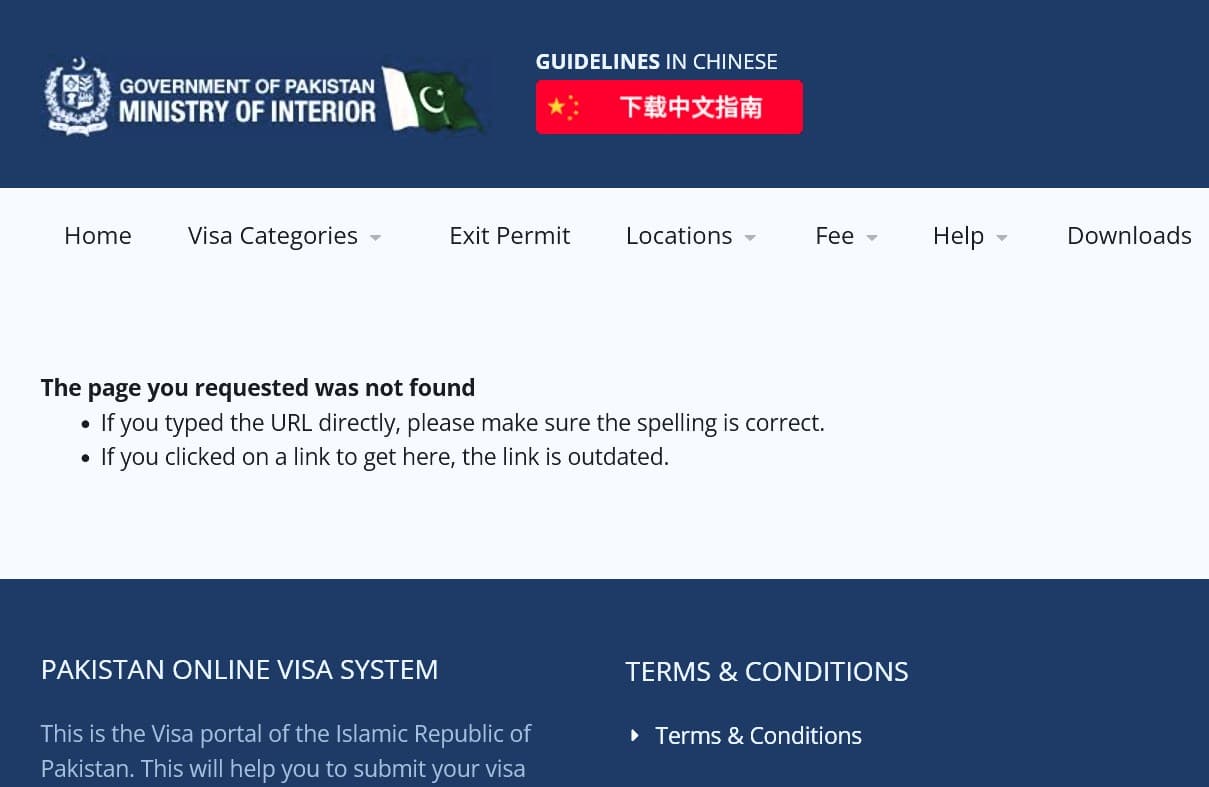
It is now all over with an abrupt halt on January 1, 2026. Since the start of the year, the VPA platform has been unavailable, without any official public announcement explaining the suspension. Travelers attempting to apply now find themselves redirected to the standard e-Visa system, forcing them into a process that is both more expensive and more demanding.
Under the current framework, travelers must apply for a paid e-Visa, with fees varying by nationality. For example, a single-entry, three-month tourist visa costs USD 35 for citizens of the European Union, USD 60 for nationals of the United States, Canada, and the United Kingdom, while other nationalities are subject to different rates. What was once a free entry document has become a paid administrative hurdle.
Processing times have also changed significantly. While VPA approvals were typically issued within 24 to 48 hours, Pakistani authorities now indicate that tourist e-Visa applications may take up to seven business days, complicating travel planning and increasing uncertainty for last-minute trips.
The application itself has grown more complex. Previously limited to roughly twenty questions, it now requires extensive additional information, including proof of accommodation, detailed travel plans, and supporting documents—bringing the process closer to pre-2024 visa requirements.
For industry professionals, the silence is as troubling as the change. No official information has been released on whether the VPA program will be reinstated, modified, or permanently discontinued.
In the absence of clear communication, travelers and tour operators must now navigate a system that is more restrictive, more expensive, and far less predictable. While waiting for eventual new instructions from the government.
Related News Stories: 40 countries to be granted free visa-on-arrival to Sri Lanka Sunwing Airlines brand shuts down as WestJet completes full ... China renews its visa-free travel policy to 40+ countries through 2026 American scraps loyalty points for basic economy fares Japan overhauls travel rules to protect heritage against over-tourism ANA lures UK travellers to Japan regions with free domestic flights American rolling out free Wi-Fi across fleet Thailand tightens visa rules to curb system abuse South Korea offers visa exemption for China tour groups No more Middle East for Adia and Costa cruises


newadmin





















Vegas’s Billion-Dollar Secrets – What They Don’t Want Tourists to Know

Visit Florida’s New CEO Bryan Griffin Shares His Vision for State Tourism with Graham

Chicago’s Tourism Renaissance: Graham Interviews Kristin Reynolds of Choose Chicago

Graham Talks with Cassandra McCauley of MMGY NextFactor About the Latest Industry Research

Destination International’s Andreas Weissenborn: Research, Advocacy, and Destination Impact

Graham and Don Welsh Discuss the Success of Destinations International’s Annual Conference

Graham and CEO Andre Kiwitz on Ventura Travel’s UK Move and Recruitment for the Role

Brett Laiken and Graham Discuss Florida’s Tourism Momentum and Global Appeal

Graham and Elliot Ferguson on Positioning DC as a Cultural and Inclusive Global Destination

Graham Talks to Fraser Last About His England-to-Ireland Trek for Mental Health Awareness

Kathy Nelson Tells Graham About the Honour of Hosting the World Cup and Kansas City’s Future

Graham McKenzie on Sir Richie Richardson’s Dual Passion for Golf and His Homeland, Antigua







 ADS PRO
Global tourism exceeds 1.5 billion travelers announces UN-Tourism
Qatar Airways offers reduced timetable to over 60 destinations
WTTC global tourism reached record economic impact of 11 trillion in 2025
Marginal increase for New York City tourism in 2025
Hands In, UATP join forces for airline multi-card payments