
UAE urges travelers and influencers to use only official sources and affirm nation is safe
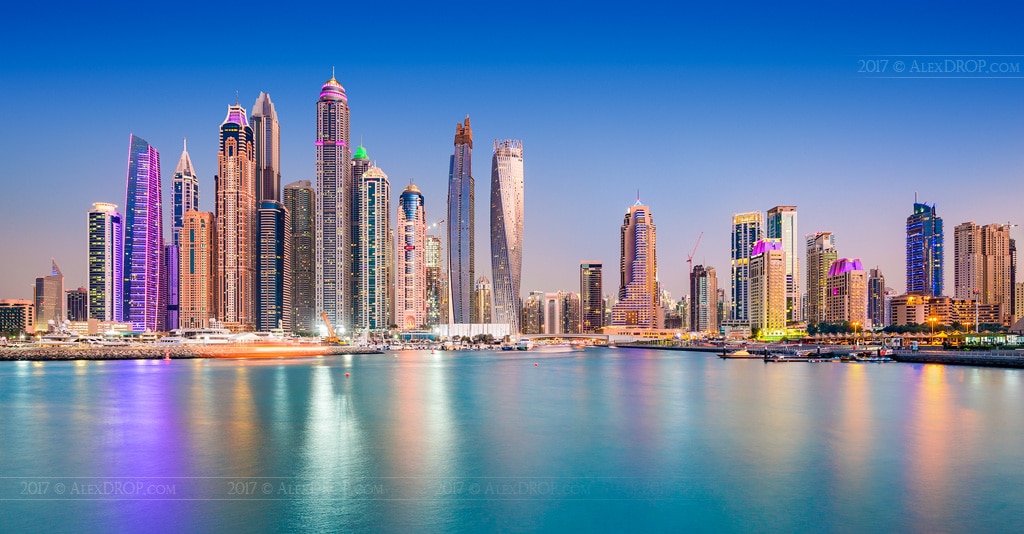
Over the past two decades, Dubai, Abu Dhabi, and other emirates such as Sharjah and Al Ain have transformed themselves into leading global tourism destinations. They offer guaranteed sunshine, high safety standards, world-class shopping, and large-scale entertainment infrastructure.
Dubai set a historic record last year, welcoming 19.59 million international visitors, while hotel occupancy averaged more than 80%. Abu Dhabi followed with approximately 6 million international guests. Finally, Sharjah’s total number of international hotel guests is estimated to have reached 2 million in 2025.
In parallel, Dubai—and to some extent Abu Dhabi—has evolved into a “paradise destination” for social media personalities, particularly influencers. According to local media reports, around 25,000 influencers live for now in the UAE, most of them in Dubai. Many come from the United States, Asia, and Europe, attracted by tax-free income, modern infrastructure, business-friendly policies, and lifestyle advantages. In return, they promote the image of a vibrant, safe, and prosperous country.
The role of social media
However, recent Iranian drone and missile attacks targeting Abu Dhabi, Dubai, and locations in Qatar have challenged the perception of absolute safety. During the incidents, debris from intercepted drones caused limited physical damage to infrastructure. Some influencers publicly expressed anxiety as fragments fell in certain areas, shaking the narrative of complete security.
Concerned about potential reputational damage, UAE authorities moved swiftly to manage both the security situation and the flow of information.
On March 3, the UAE Federal Government held a comprehensive media briefing bringing together representatives from the Ministry of Defence, the Ministry of Interior, the Ministry of Foreign Affairs, the Ministry of Economy and Tourism, and the National Emergency Crisis and Disaster Management Authority.
Officials reaffirmed the country’s commitment to protecting sovereignty, ensuring the safety of citizens and residents, safeguarding economic stability, and maintaining uninterrupted essential services.
Since the start of the Iranian attacks, UAE air defenses have responded to 186 ballistic missiles, intercepting 172. Thirteen fell into the sea, and one landed within UAE territory. Authorities also detected 812 drones; 755 were intercepted, 57 landed inside the country, and eight cruise missiles were detected and destroyed.
According to the official briefing, the attacks resulted in three fatalities, 68 minor injuries, and limited material damage to certain civilian facilities. Authorities clarified that most recorded impacts stemmed from interception debris rather than direct strikes.
Telling the truth as perceived by UAE authorities
At the same time, the government addressed the role of social media. The Ministry of Defence urged residents and citizens to comply strictly with official guidance and to rely exclusively on approved national media and official sources. The circulation of rumors or unverified reports was strongly discouraged.
The UAE Cybersecurity Council reiterated warnings about misinformation during crises, emphasizing that false reports can spread rapidly and cause unnecessary alarm. Meanwhile, Dubai Police called on the public to refrain from photographing or sharing images of critical infrastructure and sensitive security locations. What may appear to be an ordinary image, officials stressed, could inadvertently reveal strategic information.
The UAE Federal Public Prosecution warned that individuals who share or repost false or misleading information from unverified sources may face legal consequences, even if they did not create the original content.
Under Federal Decree-Law No. 34 of 2021 on Combating Rumors and Cybercrimes, those convicted of publishing false information online may face prison sentences and fines starting at approximately $27,000 (equivalent to AED 100,000). Penalties may increase significantly if misinformation provokes public panic. Sharing images of drone debris on private social media accounts may also fall under scrutiny.
In the immediate aftermath, many influencers shifted then their messaging, publicly reaffirming that life in the UAE remains safe and enjoyable.
Proactive protection for international travelers
While the situation has required careful management, authorities stress that daily life for residents and visitors remains largely stable. During the press conference, Abdulla bin Touq Al Marri, UAE Minister of Economy and Tourism, provided updates on tourism and aviation.
The UAE tourism sector includes 1,260 hotels and more than 40,000 tourism-related companies, all of which continue to operate normally. Hotels, resorts, attractions, and shopping malls remain open and compliant with safety standards.
Emergency measures have been introduced to support affected visitors. Authorities are coordinating with embassies and diplomatic missions, working through the Emirates Tourism Council, and providing accommodation and logistical assistance when needed.
The Department of Culture and Tourism in Abu Dhabi and the Department of Economy and Tourism in Dubai have instructed hotels to extend stays for guests unable to depart due to flight disruptions.
The General Civil Aviation Authority is coordinating closely with regional and international partners. Emergency air corridors have been activated, and contingency plans have been implemented in cooperation with Gulf Cooperation Council member states and the International Civil Aviation Organization.
Operational capacity currently stands at 48 flights per hour through designated emergency corridors. Between March 1 and 3, 2026, 17,498 passengers have been transported on 60 flights operated by national carriers. The next phase foresees 80 daily flights carrying more than 27,000 passengers.
The UAE government has also announced that it covers accommodation and subsistence costs for affected travelers. Passengers are advised not to go to airports unless directly contacted by their airlines.
Related News Stories: UAE tourism remains resilient despite regional drone attacks impact US to charter flights for stranded Americans - TravelMole Visitors to Belgium urged to remain vigilant following anti-terror raid First chartered evacuation flight from the Middle East set to land in ... Carnival will continue skipping Puerto Vallarta for the 'next few weeks' Sonder gets bankrupt and closes its business - TravelMole France to be again affected by a large transport strike on September ... Wizz Air to target business travelers with a new Wizz Class product Turkey records over 50 million travelers until September 2025 Low-cost status dropped for flydubai with free meals and entertainment


newadmin



















Vegas’s Billion-Dollar Secrets – What They Don’t Want Tourists to Know

Visit Florida’s New CEO Bryan Griffin Shares His Vision for State Tourism with Graham

Chicago’s Tourism Renaissance: Graham Interviews Kristin Reynolds of Choose Chicago

Graham Talks with Cassandra McCauley of MMGY NextFactor About the Latest Industry Research

Destination International’s Andreas Weissenborn: Research, Advocacy, and Destination Impact

Graham and Don Welsh Discuss the Success of Destinations International’s Annual Conference

Graham and CEO Andre Kiwitz on Ventura Travel’s UK Move and Recruitment for the Role

Brett Laiken and Graham Discuss Florida’s Tourism Momentum and Global Appeal

Graham and Elliot Ferguson on Positioning DC as a Cultural and Inclusive Global Destination

Graham Talks to Fraser Last About His England-to-Ireland Trek for Mental Health Awareness

Kathy Nelson Tells Graham About the Honour of Hosting the World Cup and Kansas City’s Future

Graham McKenzie on Sir Richie Richardson’s Dual Passion for Golf and His Homeland, Antigua







 ADS PRO
Global tourism exceeds 1.5 billion travelers announces UN-Tourism
Qatar Airways offers reduced timetable to over 60 destinations
WTTC global tourism reached record economic impact of 11 trillion in 2025
Marginal increase for New York City tourism in 2025
Hands In, UATP join forces for airline multi-card payments