
International tourism closed 2025 with a historic level of economic impact, contributing 11.7 trillion dollars to global gross domestic product (GDP), revealed in a statement the World Travel & Tourism Council (WTTC).
The figure exceeds both 2019 levels and those of the previous year, with year-on-year growth of 6.7%. The WTTC data underlines the scale of the sector as one of the most relevant engines of the global economy, accounting for approximately 10.3% of worldwide GDP. It confirms tourism as a key pillar of economic recovery and expansion following the effects of the COVID-19 pandemic.
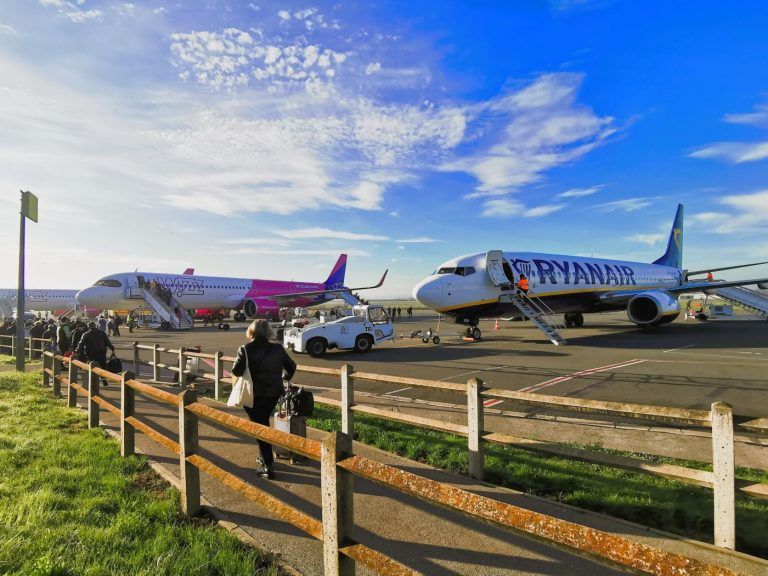
The positive performance of tourism activity in 2025 was driven by a sustained recovery in both international and domestic travel. More than 1.5 billion people traveled outside their countries of residence during the year. This represented an increase of 80 million travelers compared with 2024 and an average of 219,000 international arrivals per day.
This dynamism boosted demand for tourism-related services — from accommodation and transport to gastronomy, cultural activities and leisure — generating multiplier effects across multiple productive chains.

Tourism’s contribution to global employment was also significant: one in every three new jobs created worldwide in 2025 was linked to the sector, highlighting its capacity to foster direct and indirect employment opportunities in areas such as hospitality, transport, travel agencies and recreational activities.
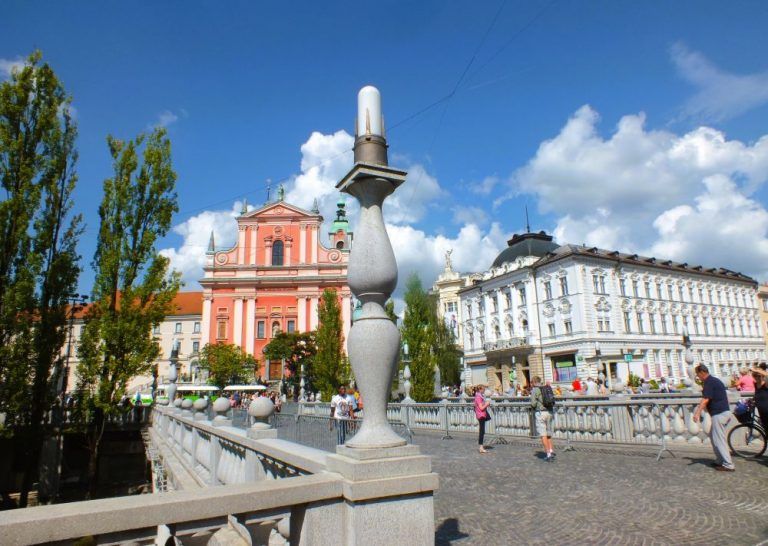
From a regional perspective, Europe stood out as one of the main drivers of growth, with tourism generating an economic impact of 2.9 trillion dollars, an increase of 5.1% compared with 2024, and contributing close to 10% of European GDP. This performance reaffirms the region’s position as a preferred destination for millions of travelers and underscores the importance of tourism for national economies across Europe.
At national level, Spain recorded record figures in 2025, surpassing 96.5 million international visitors, which translated into a contribution of approximately 16% of Spanish GDP and the creation of more than 3.2 million tourism-related jobs. These results position Spain as one of the global leaders in tourism and confirm the resilience and competitiveness of its tourism industry.
However, growth was not uniform across all economies. The United States, for example, experienced a reduction in the economic impact derived from international visitors, with 19 billion dollars less than the previous year, mainly due to a decline in arrivals from Europe and Canada. This contrasts with the global expansion trend and illustrates how factors such as immigration policies and travel costs can significantly influence the competitiveness of certain destinations.
The rationals behind WTTC move to Madrid
One of the most notable recent strategic developments for the sector was the announcement of the relocation of the WTTC headquarters from London to Madrid. The decision is driven by multiple operational, competitive and economic considerations. Following an evaluation process that included several candidate cities — among them Madrid, Barcelona, Paris, Rome, Geneva and Dubai — the Spanish capital was selected to host the organization’s new headquarters, a decision endorsed by the 17 members of its executive committee.
The WTTC estimates that the move will allow it to save around 20% in annual operating costs, thanks to more favorable conditions in areas such as office expenses, a competitive fiscal environment, access to global talent and more agile visa policies within the European Union. These savings will help allocating greater resources to research, policy advocacy, innovation and initiatives aimed at promoting sustainable tourism growth.
Beyond the economic benefits, the establishment of the WTTC headquarters in Madrid is expected to consolidate the city not only as a strategic hub for international tourism, but also as a global center for collaboration, facilitating synergies with public and private institutions and other key stakeholders. The relocation reflects Spain’s importance within the global tourism landscape and reinforce Madrid’s image as a meeting point for tourism governance at an international level.
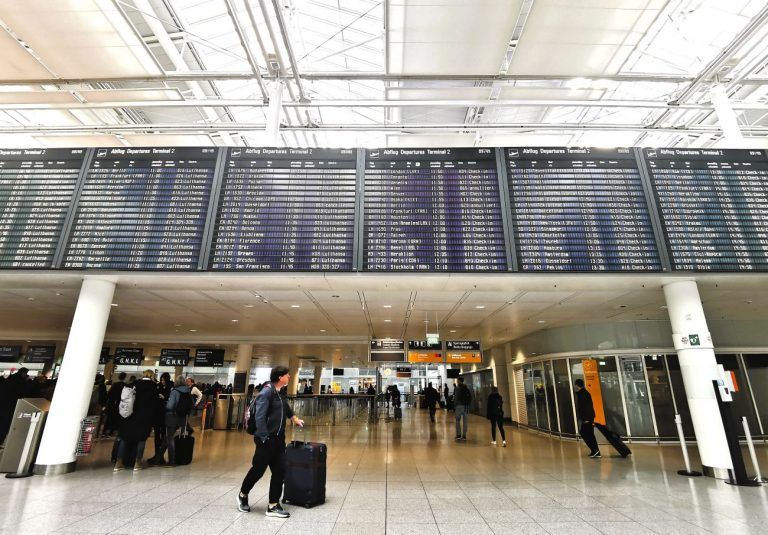
Despite the progress achieved, the travel and tourism sector continues to face significant challenges. These include reducing friction in international travel, improving airport transit and visa processes, and consolidating sustainable practices that balance economic growth with environmental protection and the well-being of host communities. Addressing these priorities will be decisive in ensuring that tourism maintains its leading economic role.
(Sources: tourism and society think tank https://eng.tourismandsocietytt.com/home- WTTC)