
Brand USA invites visitors to explore the USA’s iconic and lesser-known parks
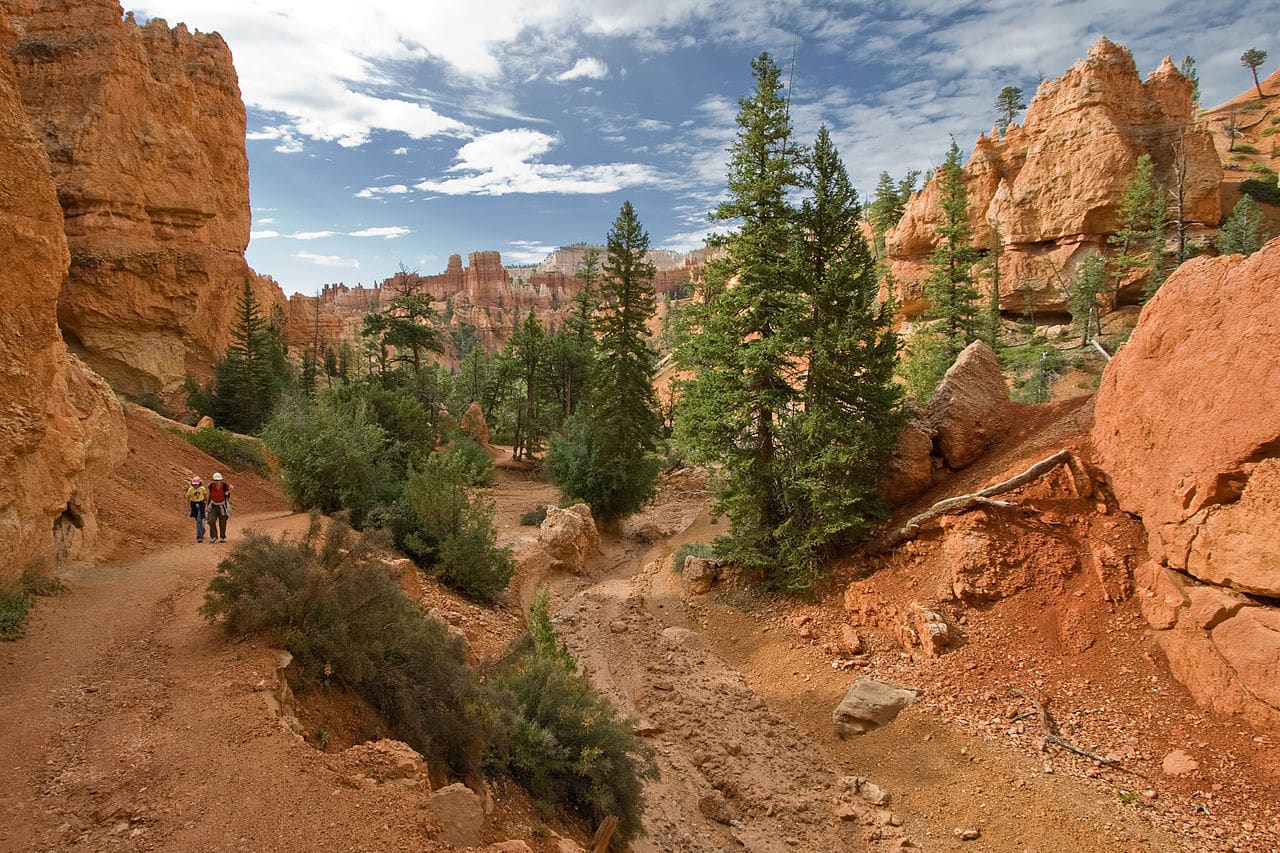
The U.S. National Park Service protects 63 national parks and over 400 sites across the United States and its territories. Brand USA, the nation’s destination marketing organization, invites visitors to explore iconic and lesser-known parks featuring wildlife-rich wetlands, dramatic geological wonders, historic architecture, immersive reenactments, vintage train rides, and even old-fashioned soda tastings.
“The United States offers an unmatched range of natural wonders. While our iconic national parks are world-famous for a reason, they’re just the beginning,” said Fred Dixon, president and CEO of Brand USA. “The most rewarding way to experience these breathtaking landscapes is to combine those bucket-list destinations with the hidden gems and state parks nearby. By visiting during the quieter times of year and exploring these lesser-known spots, travelers can experience more of the country while finding incredible value along the way.”
The U.S. Department of the Interior recently announced new visitor policies and fee schedules beginning January 1, aimed at modernizing park infrastructure and ensuring visitor revenue directly benefits the parks.
These include a $100 non-resident surcharge for each visitor aged 16 and older at 11 of the most visited national parks: Acadia National Park (Maine), Bryce Canyon National Park (Utah), Everglades National Park (Florida), Glacier National Park (Montana), Grand Canyon National Park (Arizona), Grand Teton National Park (Wyoming), Rocky Mountain National Park (Colorado), Sequoia & Kings Canyon National Parks (California), Yellowstone National Park (Wyoming, Montana, Idaho), Yosemite National Park (California), Zion National Park (Utah).
Travelers planning to visit three or more parks may find the new $250 America the Beautiful Non-Resident Annual Pass cost-effective. The pass covers entrance fees and the non-resident surcharge at the parks listed (for the passholder/vehicle or passholder plus up to three adults where per-person fees apply) and is valid for 12 months from the month of purchase.
While America’s iconic parks draw global attention, countless lesser-known sites offer equally memorable experiences—often with fewer crowds and deeper connections to nature and history.
Northeast
Franconia Notch State Park (New Hampshire)
Dramatic granite peaks frame this White Mountains pass, home to Flume Gorge, alpine trails, and classic New England scenery.
Minute Man National Historical Park (Massachusetts)
The opening chapter of the American Revolution unfolds across preserved battlefields, colonial buildings, and living-history reenactments.
Delaware Water Gap National Recreation Area (Pennsylvania–New Jersey)
A scenic river corridor along the Appalachian Trail, with waterfalls, forested ridges, and peaceful escapes near major cities.
Weir Farm National Historic Site (Connecticut)
Once home to painter J. Alden Weir, this site blends art and landscape, inviting visitors to explore studios, trails, and hands-on creative programs.
Mid-Atlantic
Niagara Falls State Park (New York)
America’s oldest state park delivers awe-inspiring views of Niagara Falls, enhanced by walking paths and iconic boat tours.
Harpers Ferry National Historical Park (West Virginia)
A pivotal site in American history where rivers, railroads, and 19th-century streets frame stories of abolition and conflict.
Assateague State Park (Maryland)
A wild barrier island famed for its free-roaming horses, sandy beaches, marshlands, and abundant birdlife.
Kenilworth Park & Aquatic Gardens (Washington, D.C.)
The nation’s only national park devoted to aquatic plants, offering tranquil boardwalks through lotus and water lily ponds.
South
Dry Tortugas National Park (Florida)
Accessible only by boat or seaplane, this remote island park combines Fort Jefferson with coral reefs and exceptional snorkeling.
Congaree National Park (South Carolina)
Towering hardwoods rise from swampy floodplains in one of North America’s largest remaining old-growth forests.
Big Bend National Park (Texas)
Remote desert canyons along the Rio Grande offer superb birdwatching, rugged hikes, and some of the darkest night skies in the U.S.
Great Smoky Mountains National Park (Tennessee–North Carolina)
Misty ridgelines shelter extraordinary biodiversity, historic cabins, and a network of waterfalls and trails.
Midwest
Isle Royale National Park (Michigan)
A remote Lake Superior archipelago accessible only by boat or seaplane, prized for solitude, hiking, and wildlife encounters.
Cuyahoga Valley National Park (Ohio)
An unexpected green refuge between Cleveland and Akron, featuring waterfalls, canal paths, and a scenic heritage railroad.
Indiana Dunes National Park (Indiana)
Towering sand dunes meet Lake Michigan, protecting rare ecosystems and migratory bird habitats.
Mackinac Island State Park (Michigan)
Covering most of the island, this car-free park preserves limestone bluffs, historic forts, and 19th-century charm.
Mountain West
Custer State Park (South Dakota)
Bison roam freely beneath granite spires in the Black Hills, with the scenic Needles Highway winding through the landscape.
Great Sand Dunes National Park (Colorado)
America’s tallest sand dunes rise against alpine peaks, creating a surreal setting for sandboarding and stargazing.
Mesa Verde National Park (Colorado)
Ancient cliff dwellings reveal the ingenuity of Ancestral Pueblo peoples within a striking high-desert environment.
Pacific Northwest & California
Olympic National Park (Washington)
Glacier-capped peaks, temperate rainforests, and wild Pacific beaches coexist within one remarkably diverse park.
Mount Rainier National Park (Washington)
An active volcano surrounded by wildflower meadows, glaciers, and dramatic alpine scenery.
Crater Lake National Park (Oregon)
The deepest lake in the U.S. fills a collapsed volcano, its vivid blue waters captivating from every overlook.
Humboldt Redwoods State Park (California)
Home to the tallest trees on Earth and the world’s largest remaining old-growth redwood forest.
Channel Islands National Park (California)
Five rugged islands rich in marine life, sea caves, and windswept landscapes, accessible only by boat or small aircraft.
Beyond the Mainland
From Alaska’s roadless Arctic wilderness and bear-filled coastlines to Hawai‘i’s volcanoes and Puerto Rico’s tropical rainforests, America’s parks extend far beyond the continental U.S. Together, they form a vast network of protected places that invite travelers to explore responsibly, embrace quieter seasons, and discover the depth and diversity of the American landscape.
Related News Stories: WTE Miami - TravelMole Tax-Free shopping made easy in Grapevine, TX TravelMole Saudi Tourism Authority (STA) - TravelMole Visit Orlando - TravelMole Partner News - TravelMole TravelMole


newadmin




















Vegas’s Billion-Dollar Secrets – What They Don’t Want Tourists to Know

Visit Florida’s New CEO Bryan Griffin Shares His Vision for State Tourism with Graham

Chicago’s Tourism Renaissance: Graham Interviews Kristin Reynolds of Choose Chicago

Graham Talks with Cassandra McCauley of MMGY NextFactor About the Latest Industry Research

Destination International’s Andreas Weissenborn: Research, Advocacy, and Destination Impact

Graham and Don Welsh Discuss the Success of Destinations International’s Annual Conference

Graham and CEO Andre Kiwitz on Ventura Travel’s UK Move and Recruitment for the Role

Brett Laiken and Graham Discuss Florida’s Tourism Momentum and Global Appeal

Graham and Elliot Ferguson on Positioning DC as a Cultural and Inclusive Global Destination

Graham Talks to Fraser Last About His England-to-Ireland Trek for Mental Health Awareness

Kathy Nelson Tells Graham About the Honour of Hosting the World Cup and Kansas City’s Future

Graham McKenzie on Sir Richie Richardson’s Dual Passion for Golf and His Homeland, Antigua







 ADS PRO
Global tourism exceeds 1.5 billion travelers announces UN-Tourism
Qatar Airways offers reduced timetable to over 60 destinations
WTTC global tourism reached record economic impact of 11 trillion in 2025
Marginal increase for New York City tourism in 2025
Hands In, UATP join forces for airline multi-card payments