
As jet fuel prices skyrocket, U.S. airlines rather increase baggage fees than imposing surcharge
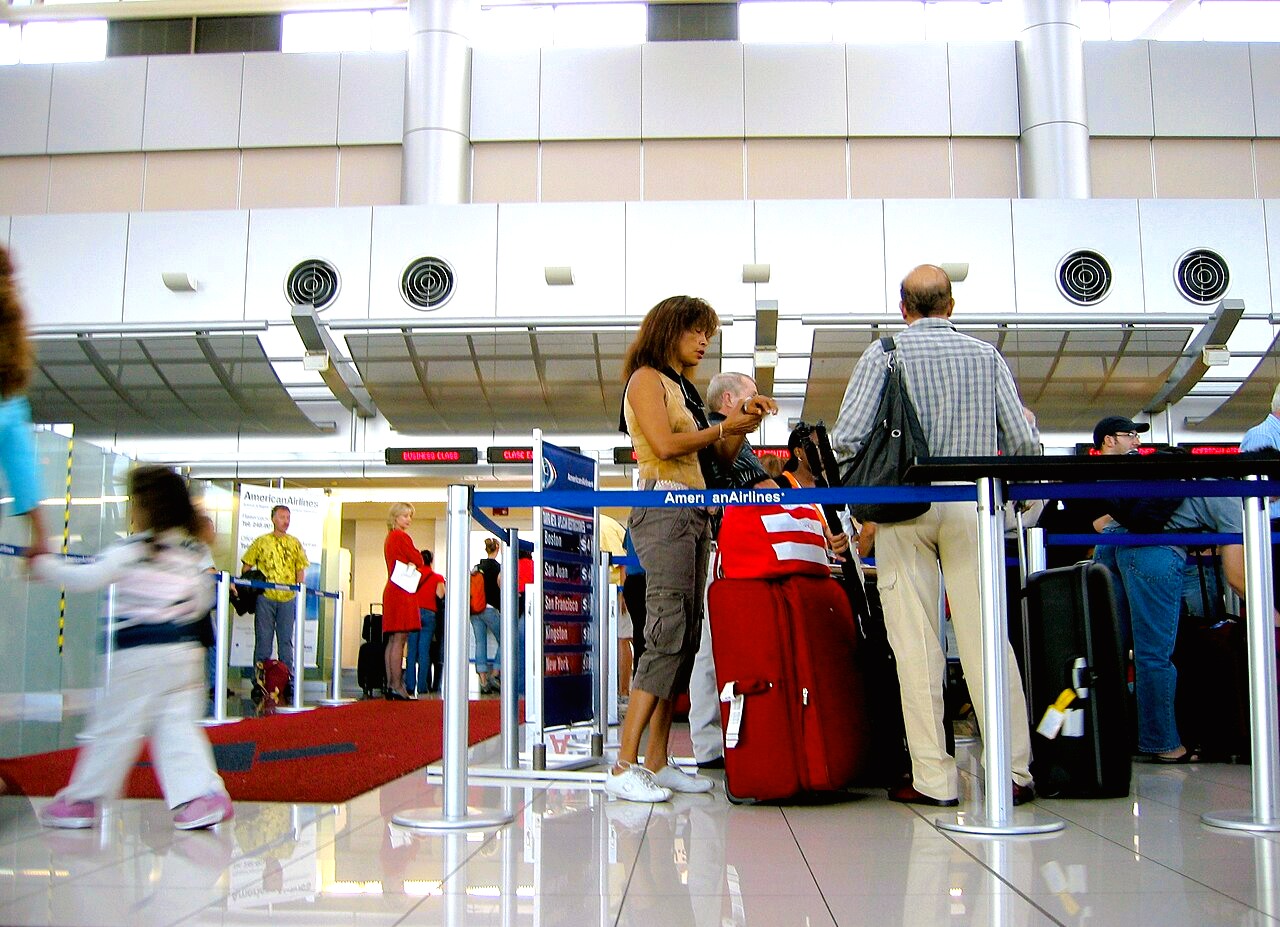
Rising jet fuel prices are pushing U.S. airlines to increase ancillary fees, with baggage charges now the latest cost to climb ahead of the busy summer travel season.
Major carriers including American Airlines, Alaska Airlines, JetBlue Airways, United Airlines, Delta Air Lines and Southwest Airlines have all moved to adjust pricing structures, signaling a broader shift in how airlines offset higher operating expenses.
The spike in jet fuel costs, driven by ongoing geopolitical tensions and volatile energy markets, has significantly increased airlines’ cost base. Fuel typically accounts for 20% to 30% of an airline’s operating expenses, making it one of the most sensitive variables impacting profitability.
As a result, U.S. carriers are increasingly relying on ancillary revenues, such as baggage fees, seat selection and onboard services, to protect margins while keeping base fares competitive.
JetBlue Airways was among the first to act, announcing new baggage pricing effective late March. The airline raised the fee for a first checked bag to $39, up from $35, with peak travel periods seeing the price jump to $49. A second checked bag now costs $59 off-peak and $69 during peak periods. American Airlines was one of the latest big carrier to hike fees on bags by $10 per item with steeper increase for passengers traveling on its lowest fares. The move reflects a growing industry trend of dynamic pricing, where fees fluctuate based on demand, seasonality and external events.
Other major U.S. carriers have followed suit with similar increases, typically adding around $10 per checked bag. While Delta Air Lines and United Airlines have historically aligned closely on ancillary pricing strategies, even traditionally customer-friendly Southwest Airlines—long known for its “bags fly free” policy—is facing mounting pressure to reconsider elements of its offering as costs rise.
Luggage fees are essential revenues
Industry analysts note that baggage fees have become a critical revenue stream. U.S. airlines collectively generate billions of dollars annually from these charges, helping to offset fluctuations in fuel prices and labor costs. With demand for travel remaining strong, particularly for leisure routes, airlines are betting that passengers will absorb the higher fees without significantly altering their travel plans.
For travelers, baggage fees, fuel surcharges and higher ticket prices are combining to make summer travel more expensive than in previous years. Experts advise passengers to plan ahead, compare fare bundles carefully and consider traveling light to avoid additional charges.
US carriers baggage policy contrast with Asian or European carriers, which mostly favor increased fuel surcharge. Air France-KLM just announced to double the fuel surcharge to 100 €. Finnair applies for example fuel-related surcharges, representing an added cost of €65 to €100 depending on route and cabin.
As another example, Cathay Pacific announced to have increased its surcharge from US$150 to 200 towards Europe since April 1, 2026. In Vietnam, the Civil Aviation Authority revealed that 60% of the airlines flying to the country had increased their fuel surcharge or planning to do it.
As airlines continue to navigate cost pressures, further adjustments to ancillary fees cannot be ruled out, making price transparency and flexibility increasingly important for consumers.
Related News Stories: Delta to pay out $79 million for jet fuel dump over LA neighborhood Are airports in Italy already affected by jet fuel shortage? - TravelMole Vietnam airlines face disruptions from jet fuel export bans IATA sees jet fuel recovery delayed despite ceasefire USA-Iran Fuel shortages disrupt Cuba aviation and tourism operations Singapore sets SAF Levy for all departing flights from Oct. 2026 Middle East war threatens 2026 global tourism growth as airfares ... AirAsia pivots strategy fast as fuel crisis escalates... - TravelMole Fuel shortage disrupts Canadian airline operations to Cuba Ryanair warns taxes and fuel risks threaten growth in UK - Travel Mole


newadmin





















Vegas’s Billion-Dollar Secrets – What They Don’t Want Tourists to Know

Visit Florida’s New CEO Bryan Griffin Shares His Vision for State Tourism with Graham

Chicago’s Tourism Renaissance: Graham Interviews Kristin Reynolds of Choose Chicago

Graham Talks with Cassandra McCauley of MMGY NextFactor About the Latest Industry Research

Destination International’s Andreas Weissenborn: Research, Advocacy, and Destination Impact

Graham and Don Welsh Discuss the Success of Destinations International’s Annual Conference

Graham and CEO Andre Kiwitz on Ventura Travel’s UK Move and Recruitment for the Role

Brett Laiken and Graham Discuss Florida’s Tourism Momentum and Global Appeal

Graham and Elliot Ferguson on Positioning DC as a Cultural and Inclusive Global Destination

Graham Talks to Fraser Last About His England-to-Ireland Trek for Mental Health Awareness

Kathy Nelson Tells Graham About the Honour of Hosting the World Cup and Kansas City’s Future

Graham McKenzie on Sir Richie Richardson’s Dual Passion for Golf and His Homeland, Antigua







 ADS PRO
Global tourism exceeds 1.5 billion travelers announces UN-Tourism
Qatar Airways offers reduced timetable to over 60 destinations
WTTC global tourism reached record economic impact of 11 trillion in 2025
Hands In, UATP join forces for airline multi-card payments
Overseas travelers to the United States declined by 2.5% in 2025